
Pediatric Urology
Children can develop urinary and genital conditions from birth through adolescence, requiring specialised care tailored to their age and needs.
The Pediatric Urology Department at the Institute of Urology, Jaipur, provides diagnosis and treatment for conditions including kidney stones, urinary incontinence, congenital abnormalities, undescended testis, hypospadias, kidney tumours and other paediatric urological disorders.
The Institute of Urology offers specialised paediatric urology care using advanced paediatric endoscopes, laparoscopic instruments and laser technology. Our pediatric urologist in Jaipur provides comprehensive evaluation and treatment for a wide range of urinary and genital conditions in children, including kidney and urinary stones, recurrent UTIs, bedwetting, urinary leakage, undescended testis, hypospadias, vesicoureteral reflux, hydronephrosis, urinary obstruction, congenital abnormalities, scrotal swelling and paediatric urinary tract tumours. The team focuses on accurate diagnosis, minimally invasive treatment options and child-friendly care tailored to each patient’s needs.

When Should a Child See a Pediatric Urologist?
Parents should consider consulting a pediatric urologist in Jaipur when a child has persistent urinary symptoms, recurrent infections, unusual genital development or an abnormality identified during an ultrasound or physical examination.
Pain or burning while urinating
Blood in the
urine
Difficulty passing
urine
Weak or interrupted urine flow
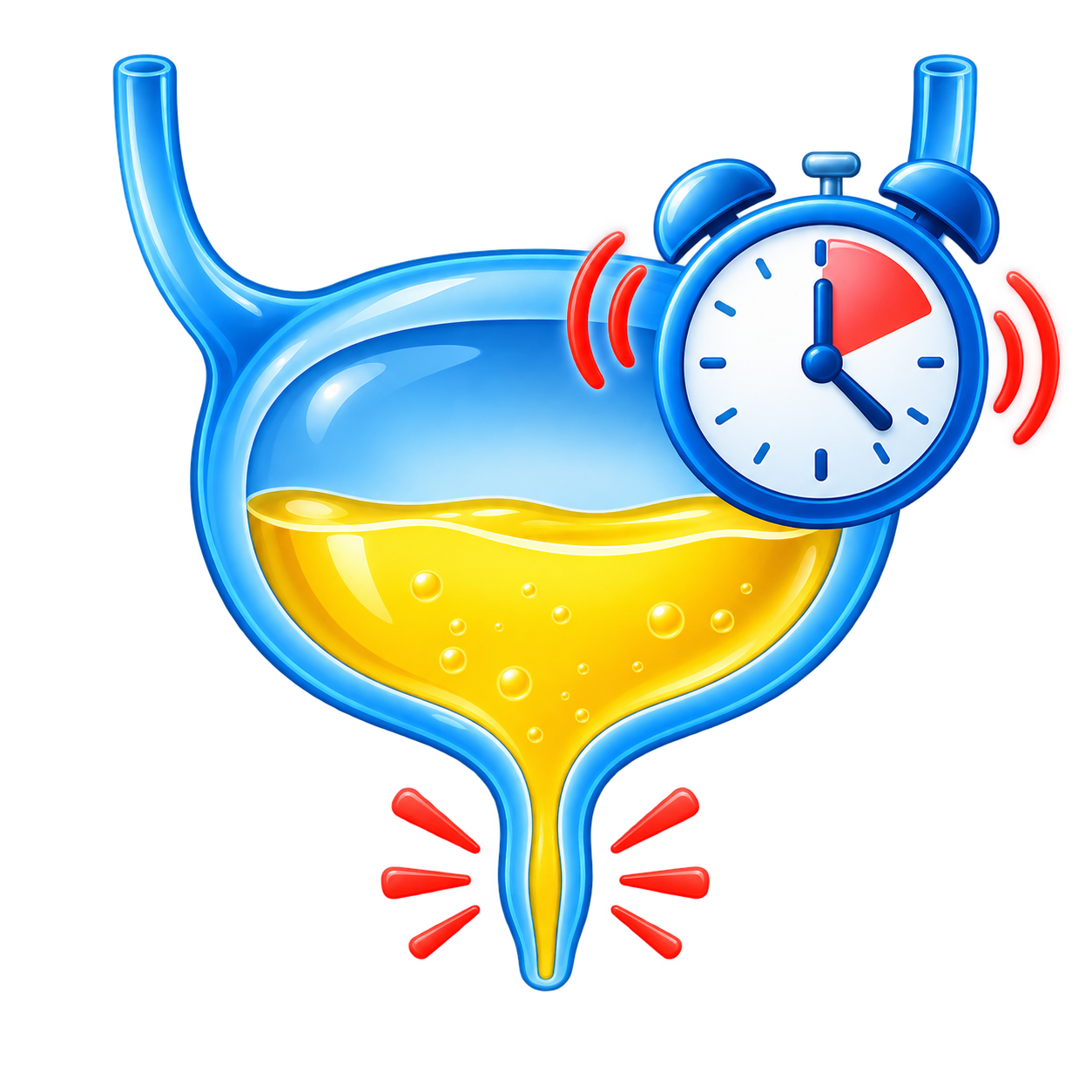
Frequent or urgent
urination
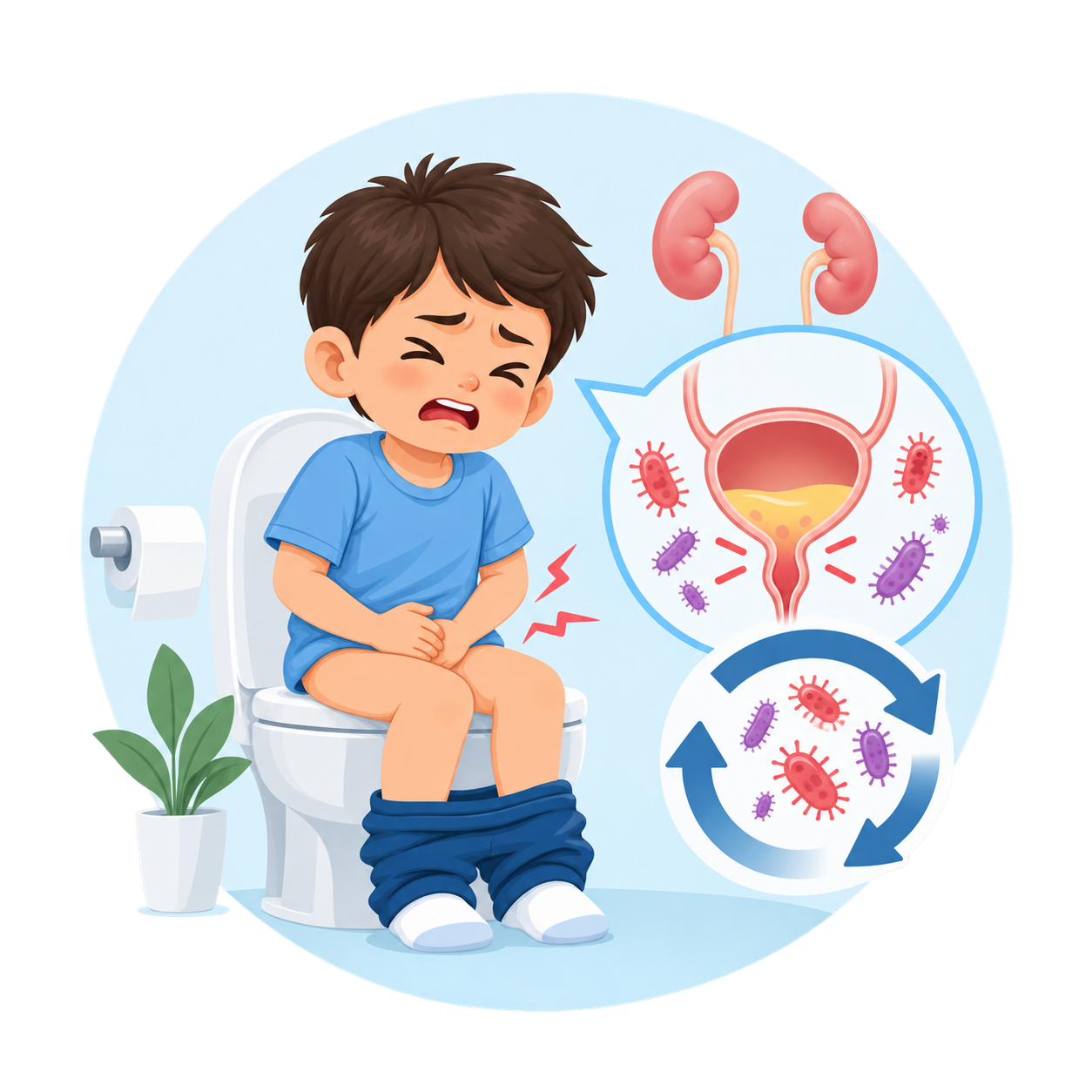
Repeated urinary tract infections
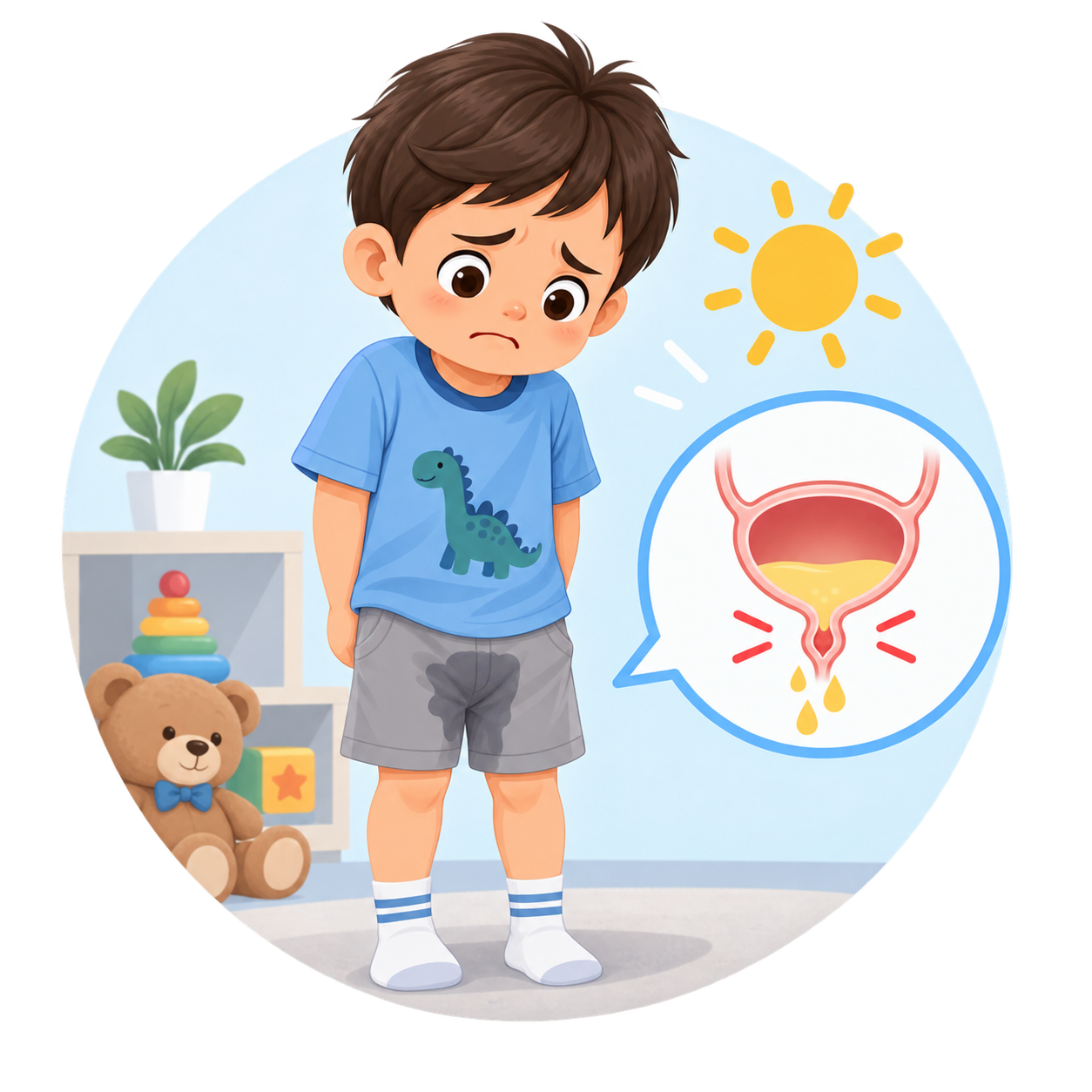
Daytime urine leakage after toilet training
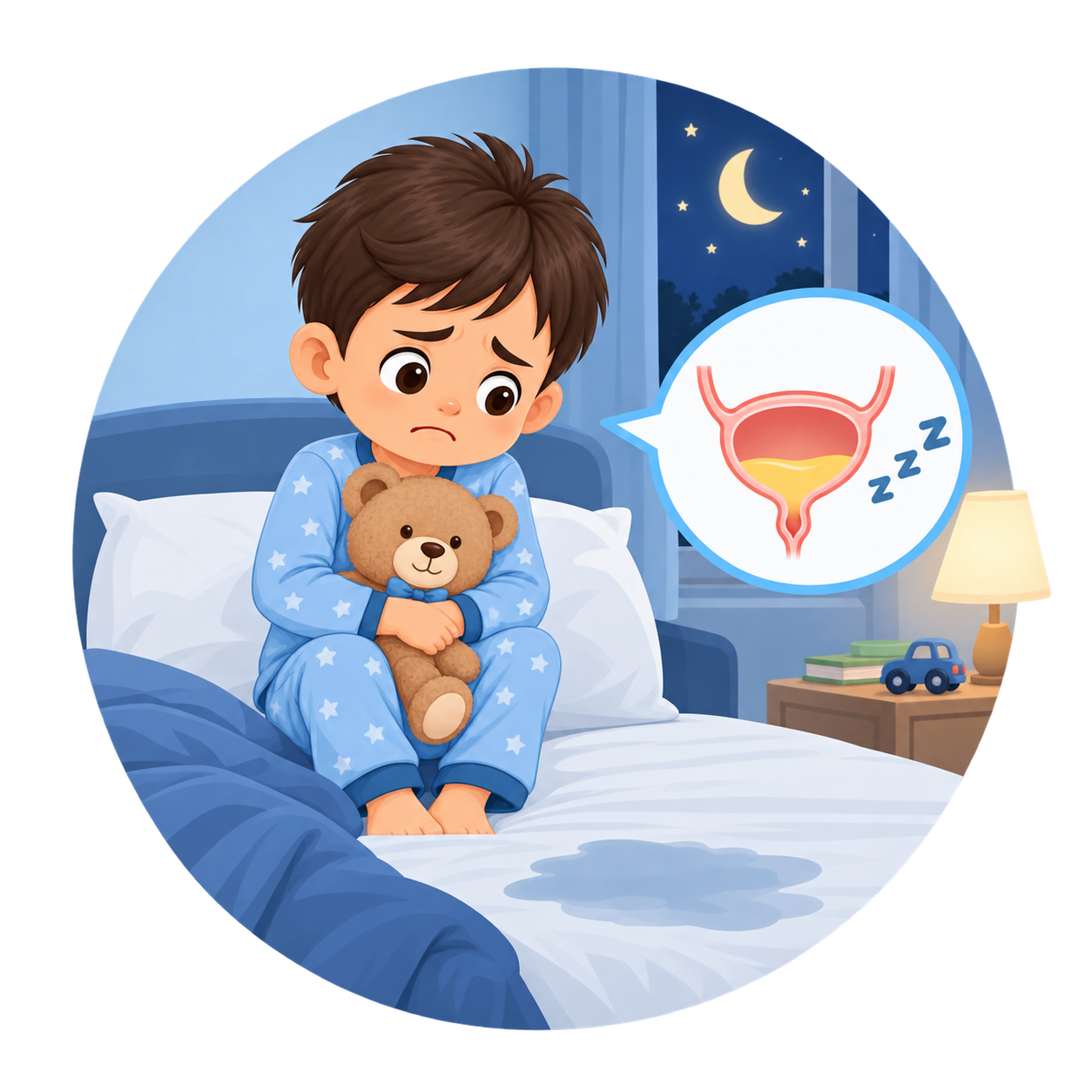
Persistent
bedwetting
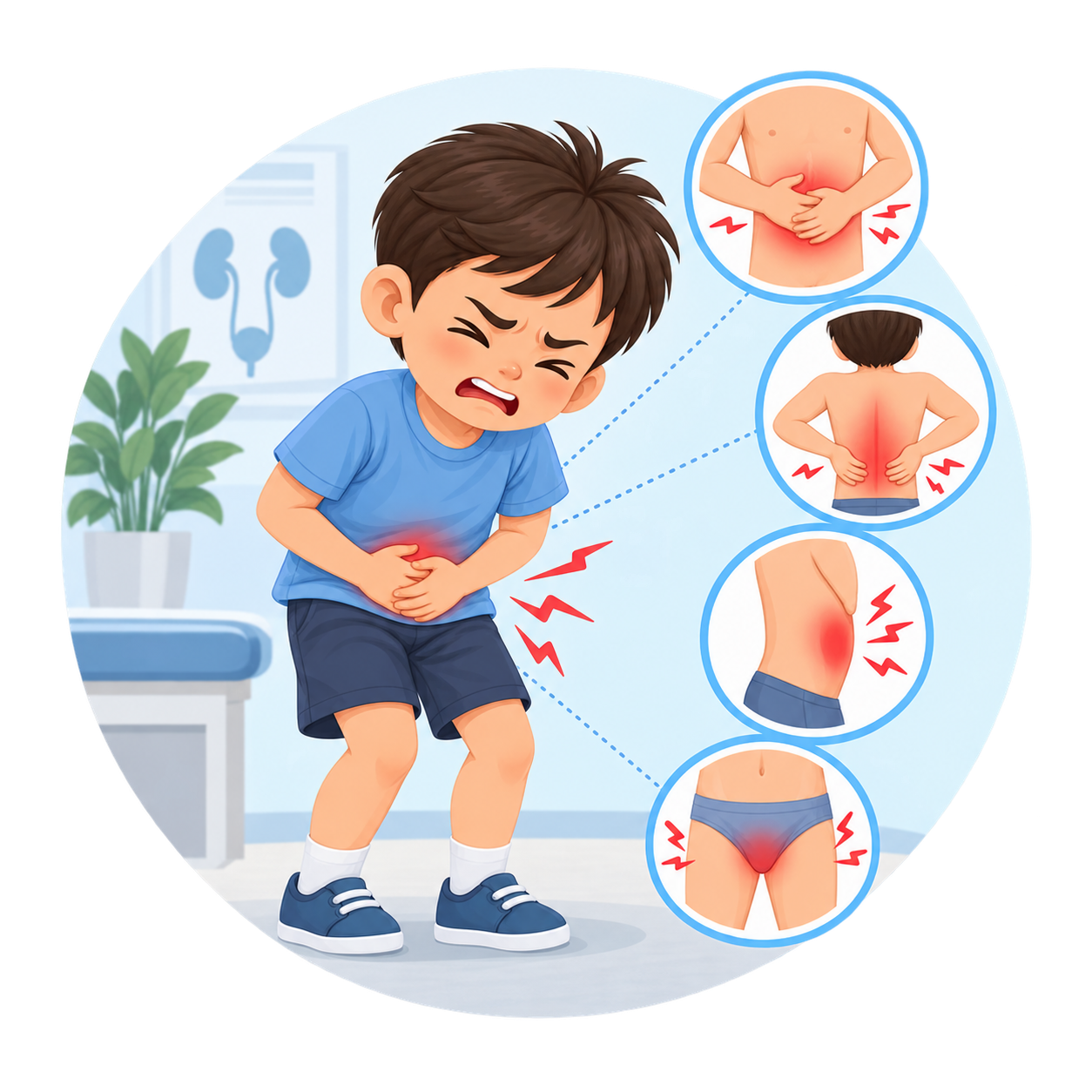
Severe abdominal, back, side or groin pain
Kidney Stones in Children
Kidney stones are hard deposits that form from minerals and other substances present in urine. Although kidney stones are often considered an adult condition, they can also affect infants, children and teenagers. Symptoms of kidney stones in children may include sharp pain in the back, side, lower abdomen or groin. A child may also experience blood in the urine, frequent urination, pain while urinating, cloudy or unpleasant-smelling urine, nausea, vomiting or difficulty passing urine. Younger children may become unusually irritable because they cannot explain where the pain is located.
Urinary Incontinence and Bedwetting in Children
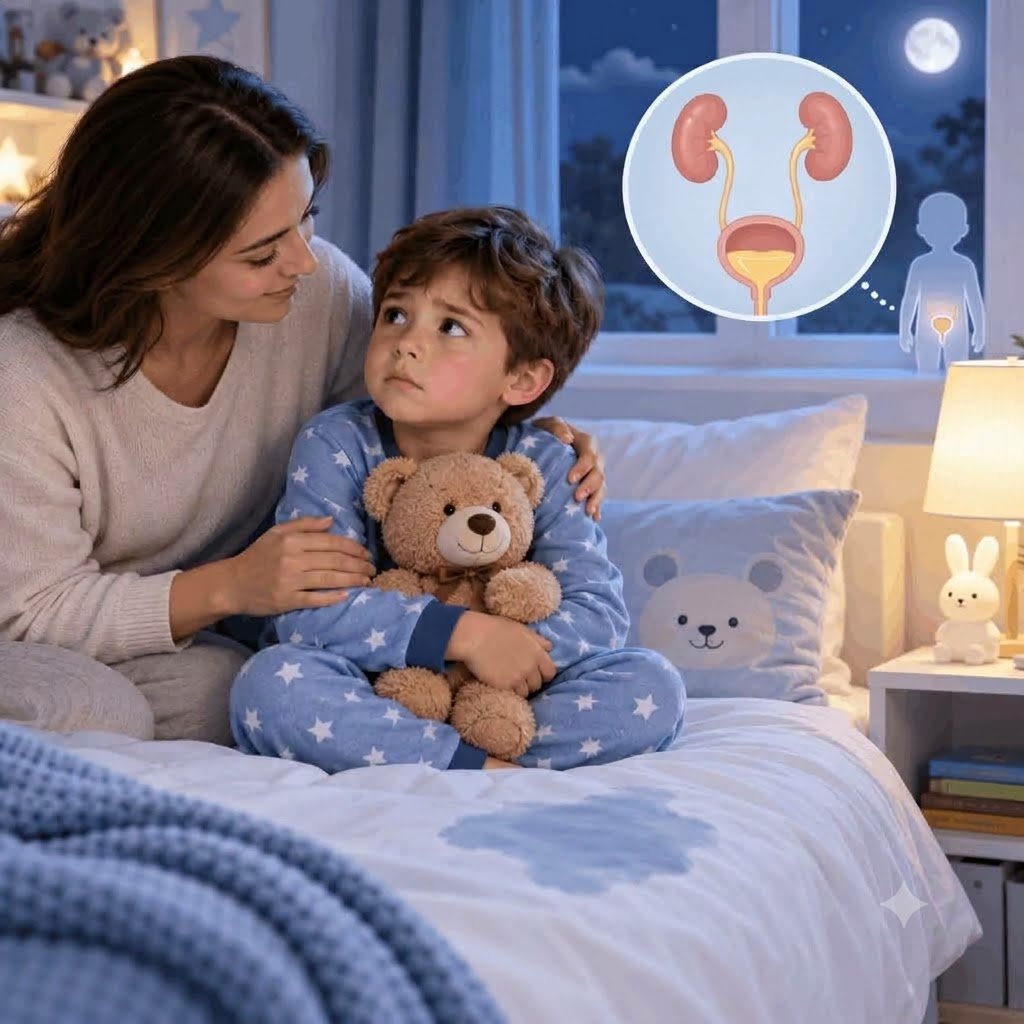
Urinary incontinence means that a child passes urine accidentally after the age at which bladder control would normally be expected. It may appear as daytime wetting, bedwetting at night or a combination of both.
Children gain bladder control at different ages. Occasional wetting may still occur in younger children, but persistent leakage, a return to wetting after a long dry period or wetting accompanied by pain and urgency should be evaluated.

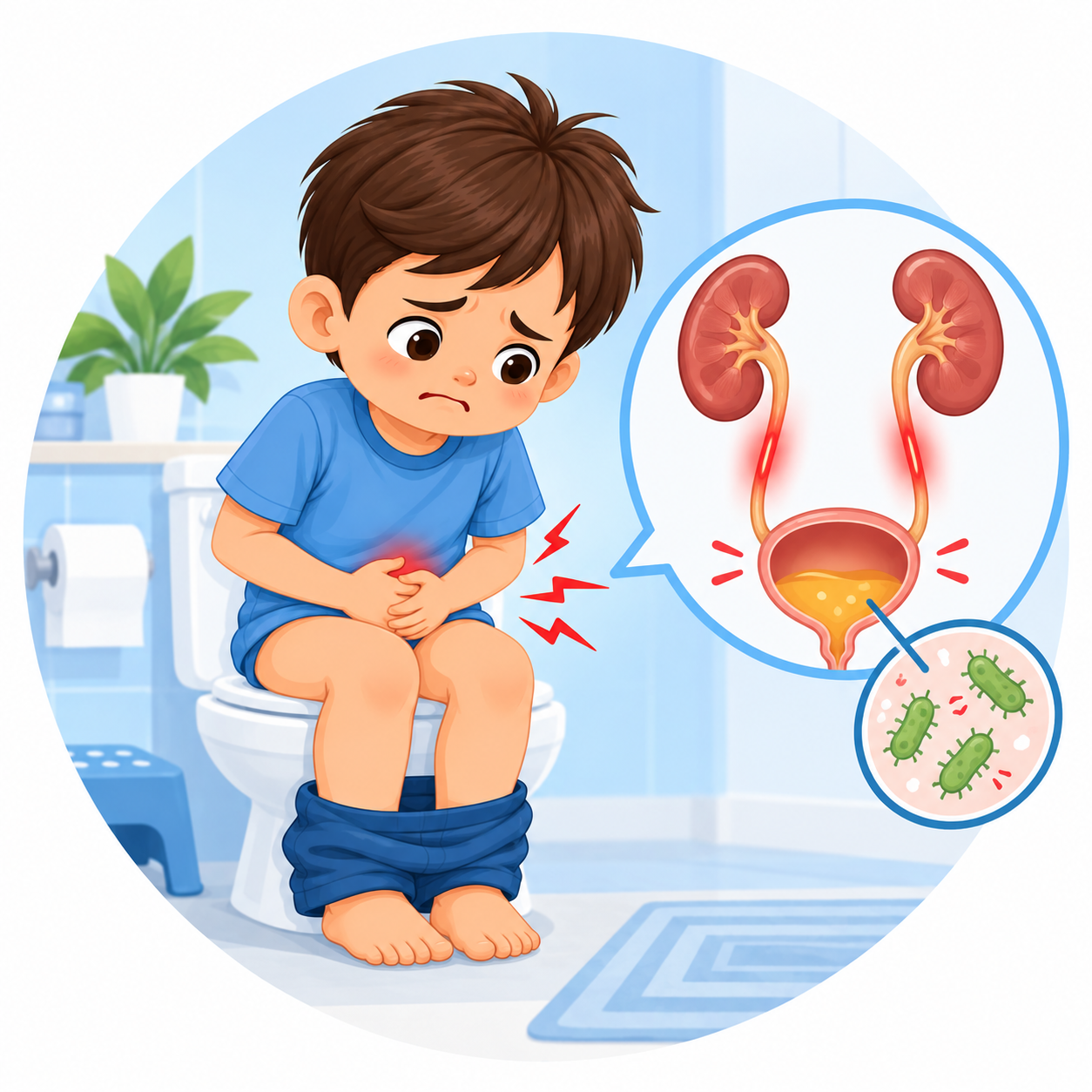
Urinary Tract Infections in Children
A urinary tract infection occurs when bacteria enter and multiply within the urinary system. Infections may involve the urinary bladder or travel upward to affect the kidneys.
A urinary infection is generally diagnosed using the child’s symptoms, physical examination and urine tests. Imaging may be recommended when infections are recurrent, severe or associated with an underlying urinary abnormality. Untreated bladder infections can spread to the kidneys and become more serious.
Undescended Testis Treatment
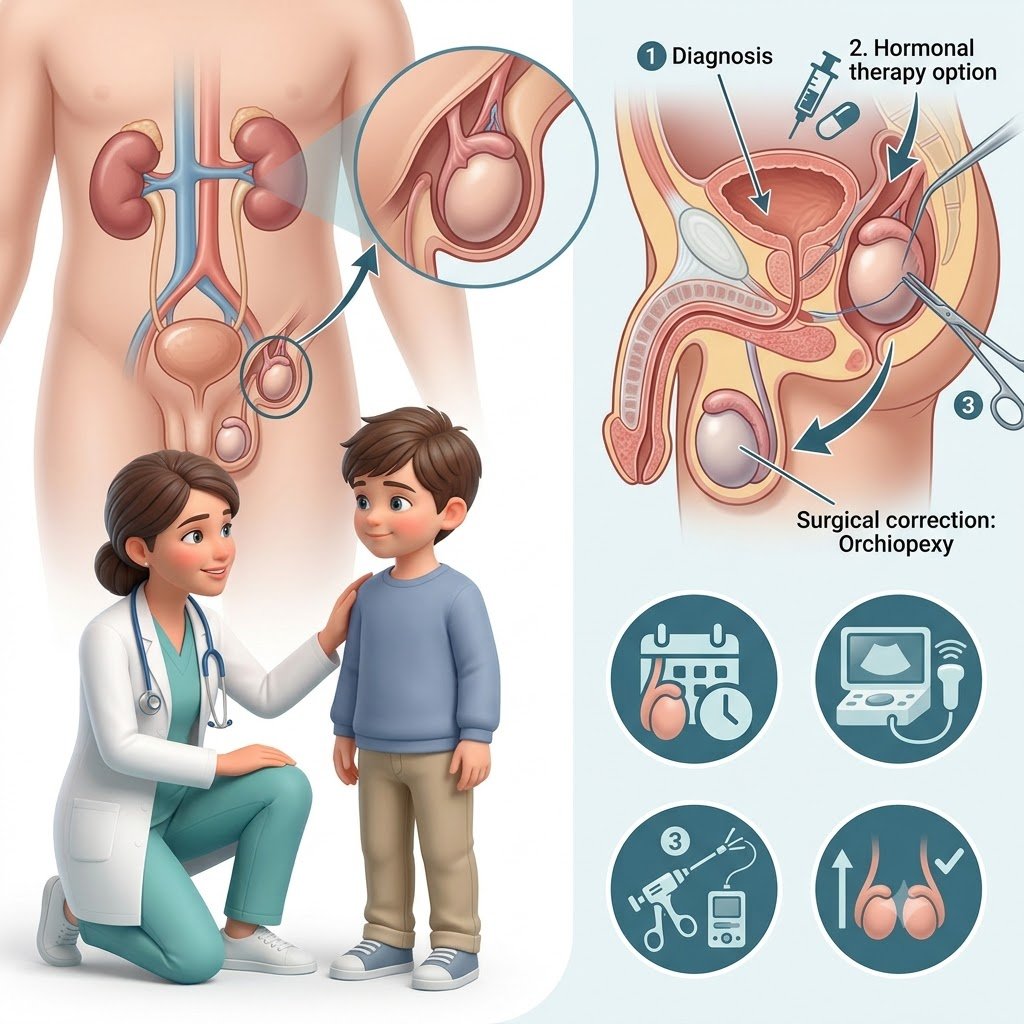
An undescended testis, also called cryptorchidism, occurs when one or both testicles have not moved into their normal position inside the scrotum. The condition is commonly identified during a newborn physical examination. The main sign is that only one testicle, or neither testicle, can be felt within the scrotum.
Some testicles descend naturally during the first few months after birth. When a testicle remains undescended, the child may require a procedure called orchidopexy. During orchidopexy, the surgeon moves the testicle into the scrotum and secures it in the appropriate position.
Hypospadias Treatment in Children
Hypospadias is a congenital condition in which the opening of the urethra is located on the underside of the penis instead of at its tip. The position of the opening can vary from close to the tip to the lower shaft or near the scrotum.
The goals of hypospadias repair may include repositioning the urinary opening, correcting penile curvature, creating a more controlled urinary stream and improving functional development.
The treatment plan depends on the location of the urethral opening, the degree of curvature and the available tissue.
Paediatric Kidney Tumours and Cancer
Kidney tumours in children require prompt investigation and coordinated treatment. Wilms tumour is one of the principal forms of kidney cancer affecting children, although other childhood kidney tumours can also occur.
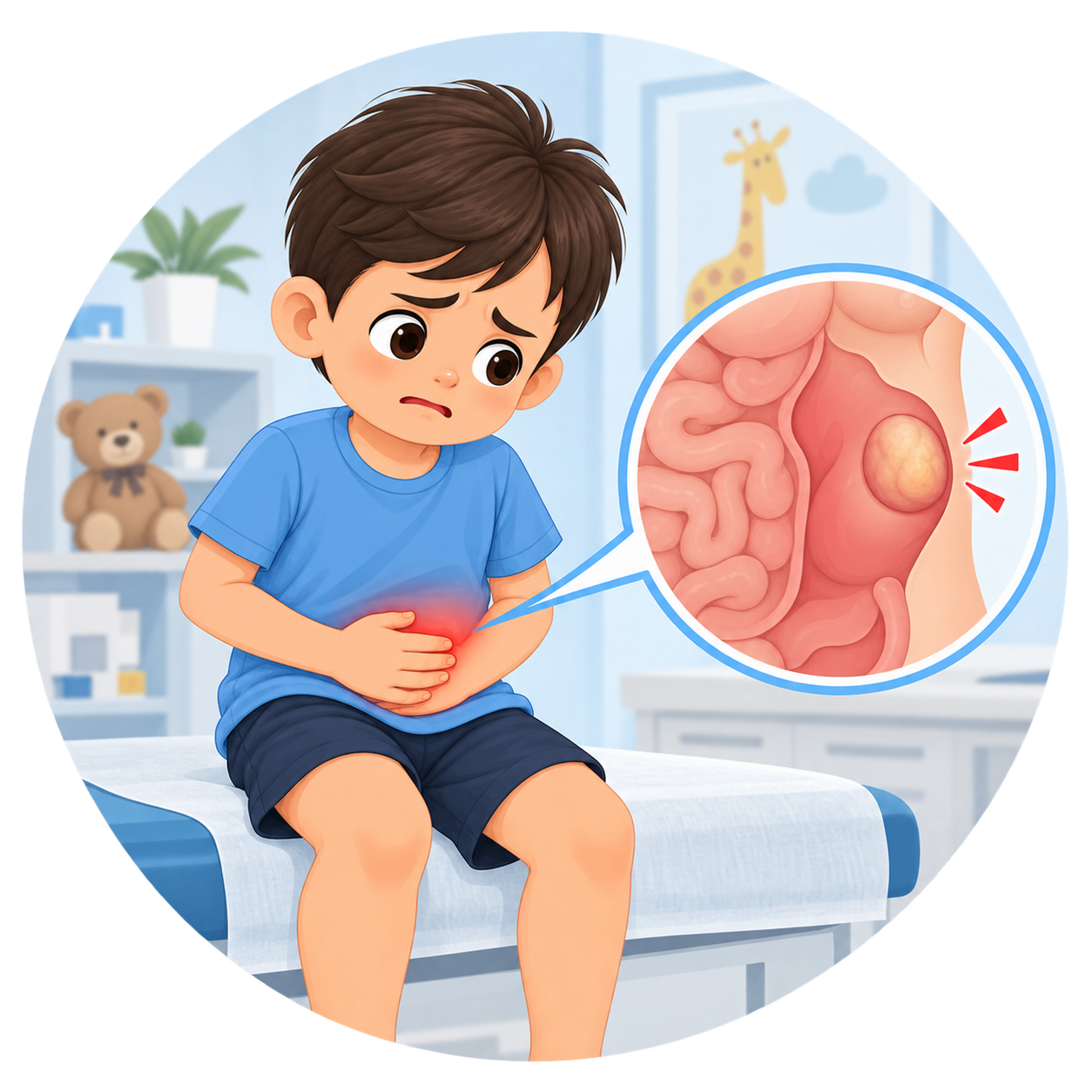
A painless abdominal lump

Abdominal
swelling
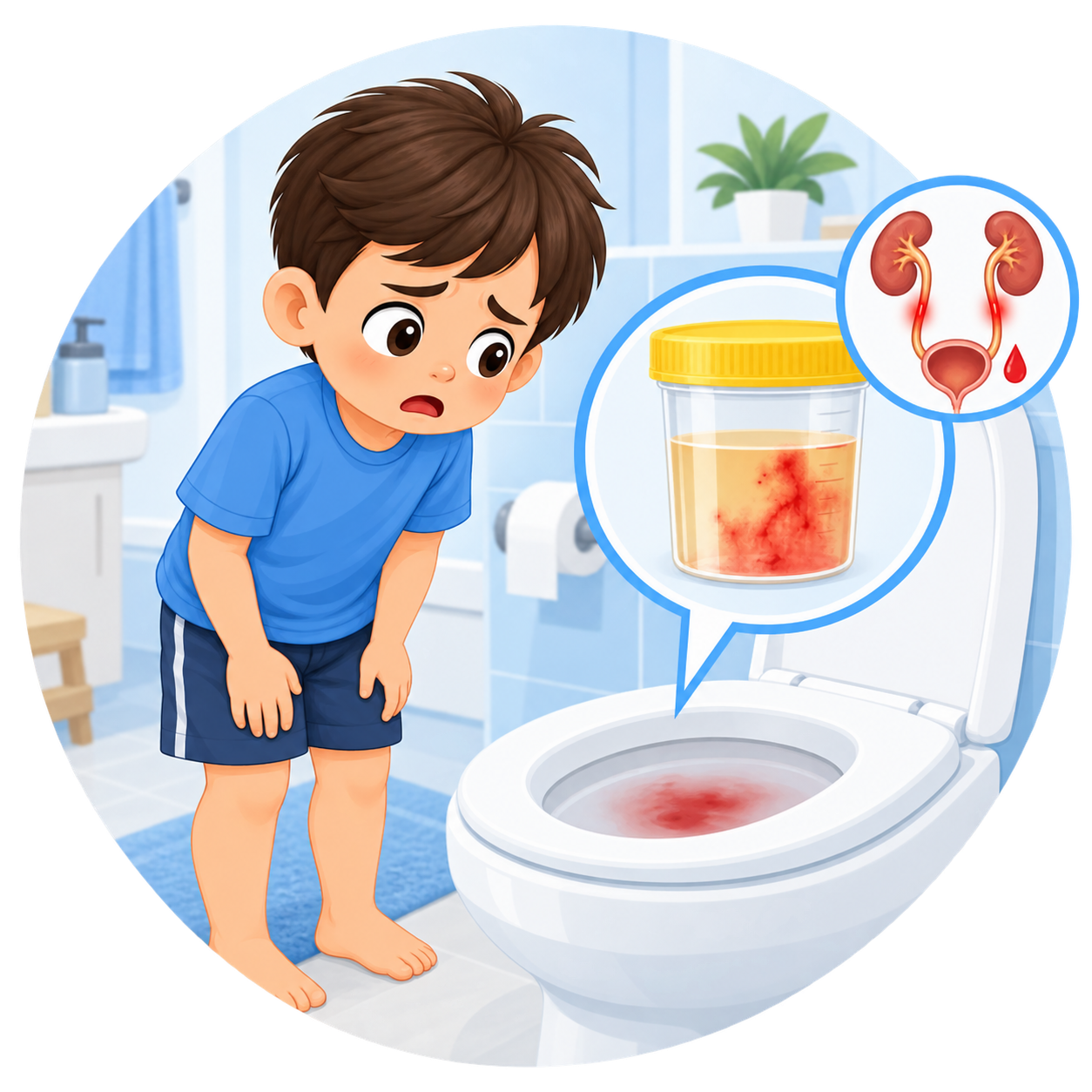
Blood in the
urine

Persistent abdominal pain
Fever without a clear cause
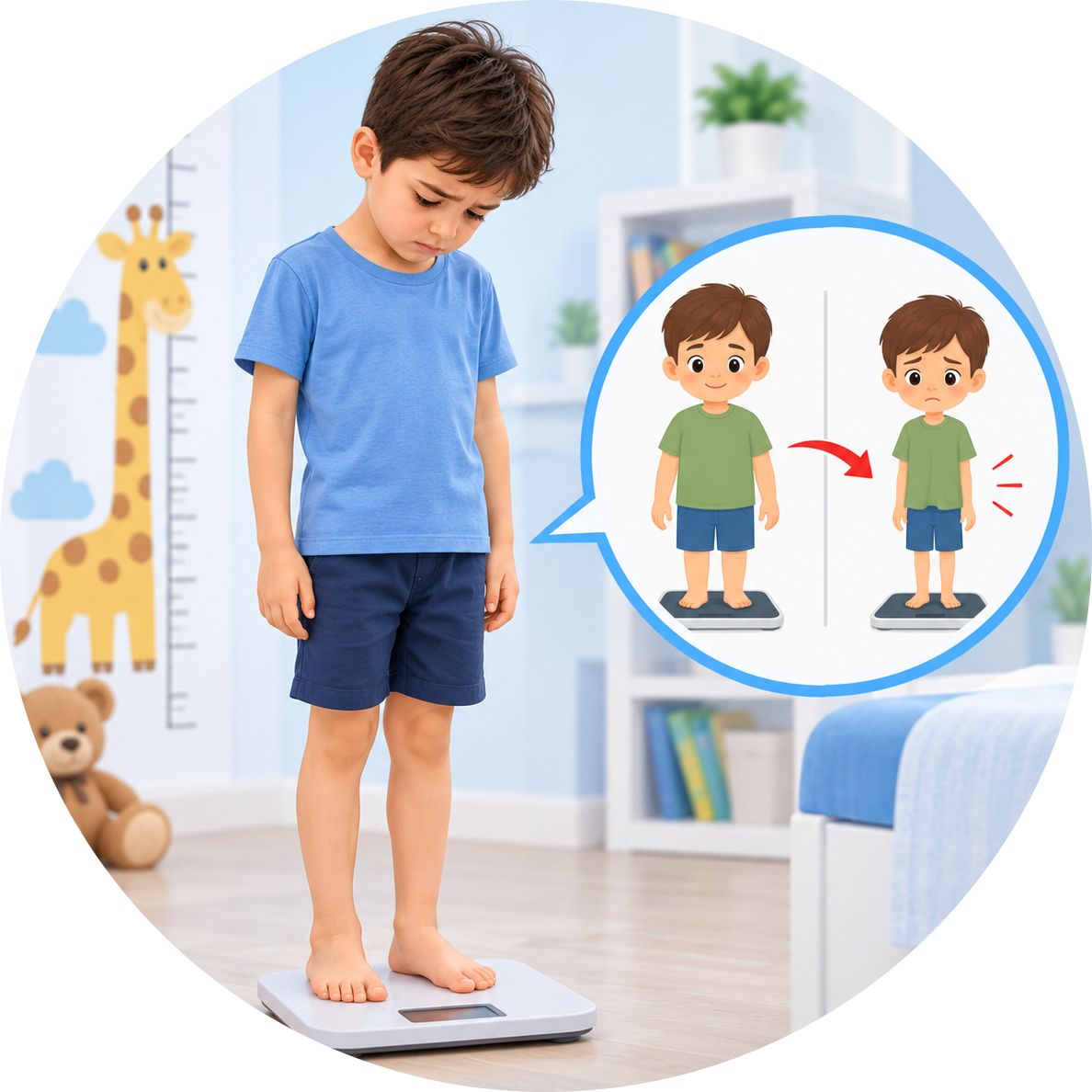
Unexplained weight loss
Why Choose the Institute of Urology for Pediatric Urology?
The Pediatric Urology Department at the Institute of Urology provides specialised assessment and surgical management for urinary and genital disorders in children.
- Care for newborns, infants, children and adolescents
- Management of congenital and acquired urological disorders
- Treatment for kidney and urinary stones
- Evaluation of urinary leakage and bedwetting
- Undescended testis surgery
Frequently Asked Questions
A pediatric urologist treats conditions involving the kidneys, ureters, bladder, urethra and genital organs in babies, children and adolescents. These include urinary infections, kidney stones, urinary leakage, congenital abnormalities, undescended testis and hypospadias.
Yes. Kidney stones can affect children of different ages. Symptoms can include severe side or abdominal pain, blood in the urine, vomiting, frequent urination and painful urination.
Occasional bedwetting may be part of normal development in younger children. Evaluation may be appropriate when wetting is persistent, begins again after a long dry period, affects the child emotionally or occurs with daytime leakage, constipation, pain or urinary infection.
Parents should arrange an examination with a pediatric urologist. Some testicles descend naturally during the first few months, but persistent cases may require surgery.
Treatment depends on the position of the urinary opening, penile curvature and functional concerns. Many cases require surgical correction, but the pediatric urologist will determine the most appropriate approach.
Mild hydronephrosis may improve naturally and may only require monitoring. Surgery may be recommended when there is significant obstruction, repeated infection or a risk to kidney function.
Urinary infections are generally diagnosed through symptoms, physical examination, urine analysis and urine culture. Children with repeated infections may require an ultrasound or additional urinary tests.
Selected conditions can be treated through paediatric endoscopy, laparoscopy or laser-assisted procedures. Suitability depends on the child’s age, anatomy and diagnosis.
Parents should bring previous prescriptions, prenatal scans, ultrasound reports, urine and blood test results, hospital discharge papers and details of earlier surgeries or urinary infections.
Parents can schedule a consultation with the Pediatric Urology Department at the Institute of Urology, located at 4/A, Tilak Marg, opposite Udyog Bhawan, C-Scheme, Jaipur.