
Reconstructive urology
The Reconstructive Urology Department at the Institute of Urology, Jaipur, treats complex urinary conditions affecting the kidney, ureter, bladder and urethra. Services include treatment for urinary strictures, incontinence, congenital abnormalities, pelvic-floor prolapse, cancer-related defects and neurological urinary problems. Complex cases are managed through a multidisciplinary team of urologists, plastic surgeons and general surgeons.
Conditions Treated Through Reconstructive Urology
The Reconstructive Urology Department evaluates a wide range of complex urinary conditions, including urethral and ureteric strictures, bladder injuries, urinary fistulas, incontinence, pelvic organ prolapse, congenital abnormalities, neurogenic bladder, cancer- or radiation-related damage, traumatic injuries and complications from previous surgery or reconstruction. Each patient undergoes detailed evaluation to identify the underlying structural problem.
Diagnosis and Preoperative Evaluation
Reconstructive urology treatment begins with a detailed assessment. Patients should bring previous operation records, imaging reports, biopsy findings and details of earlier procedures.

Blood and urine tests

Kidney-function tests

CT scan or
MRI
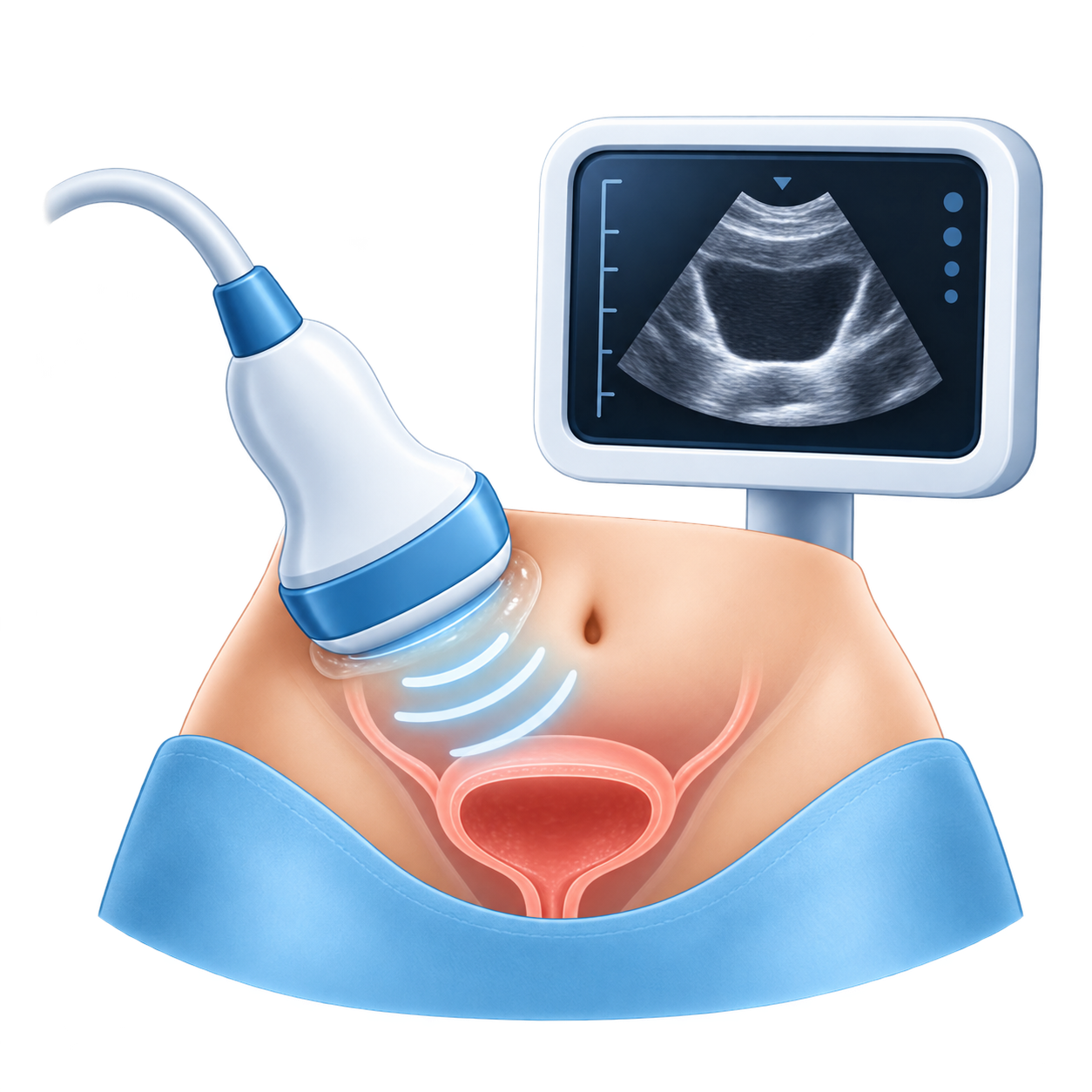
Ultrasound

Uroflowmetry

Cystoscopy
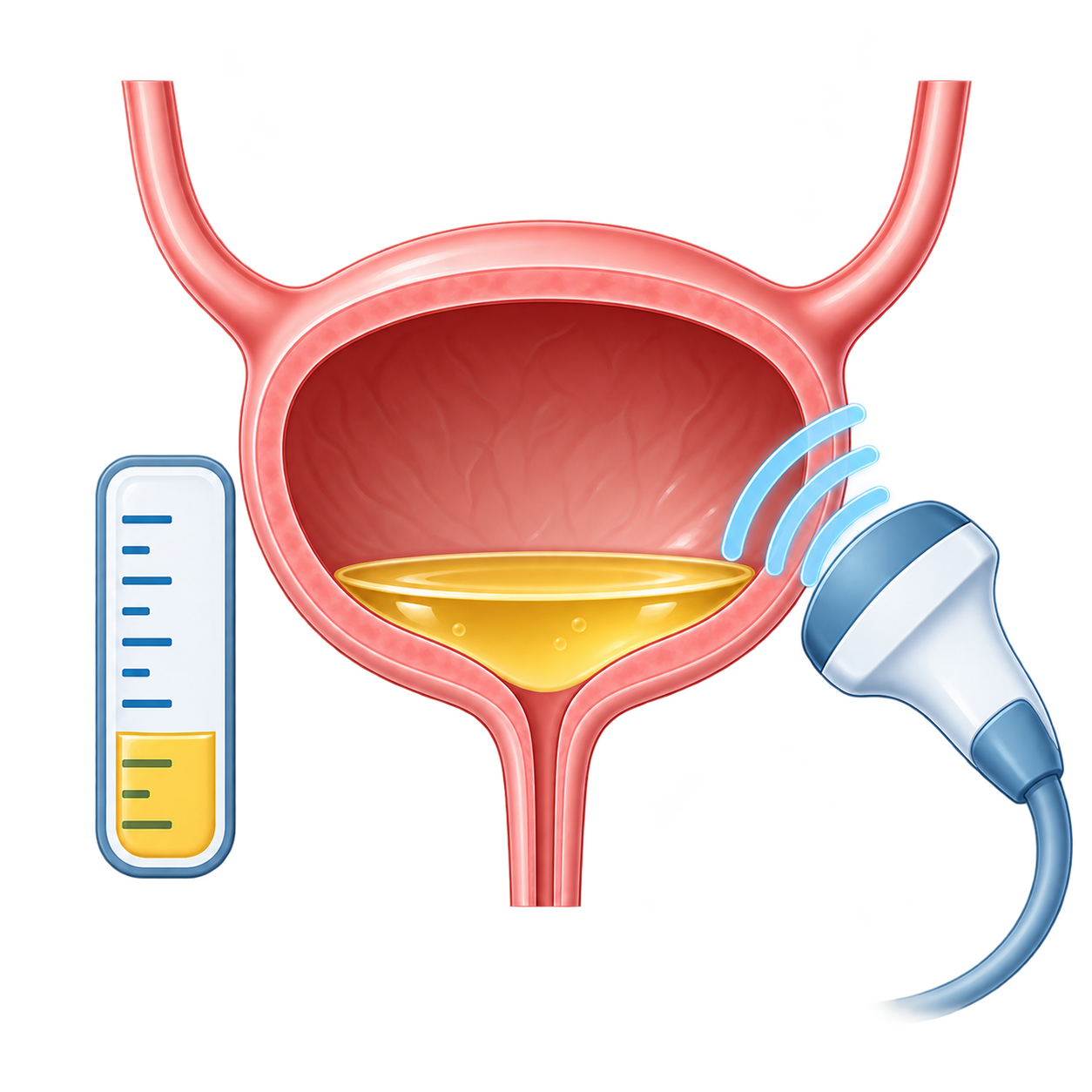
Post-void residual measurement
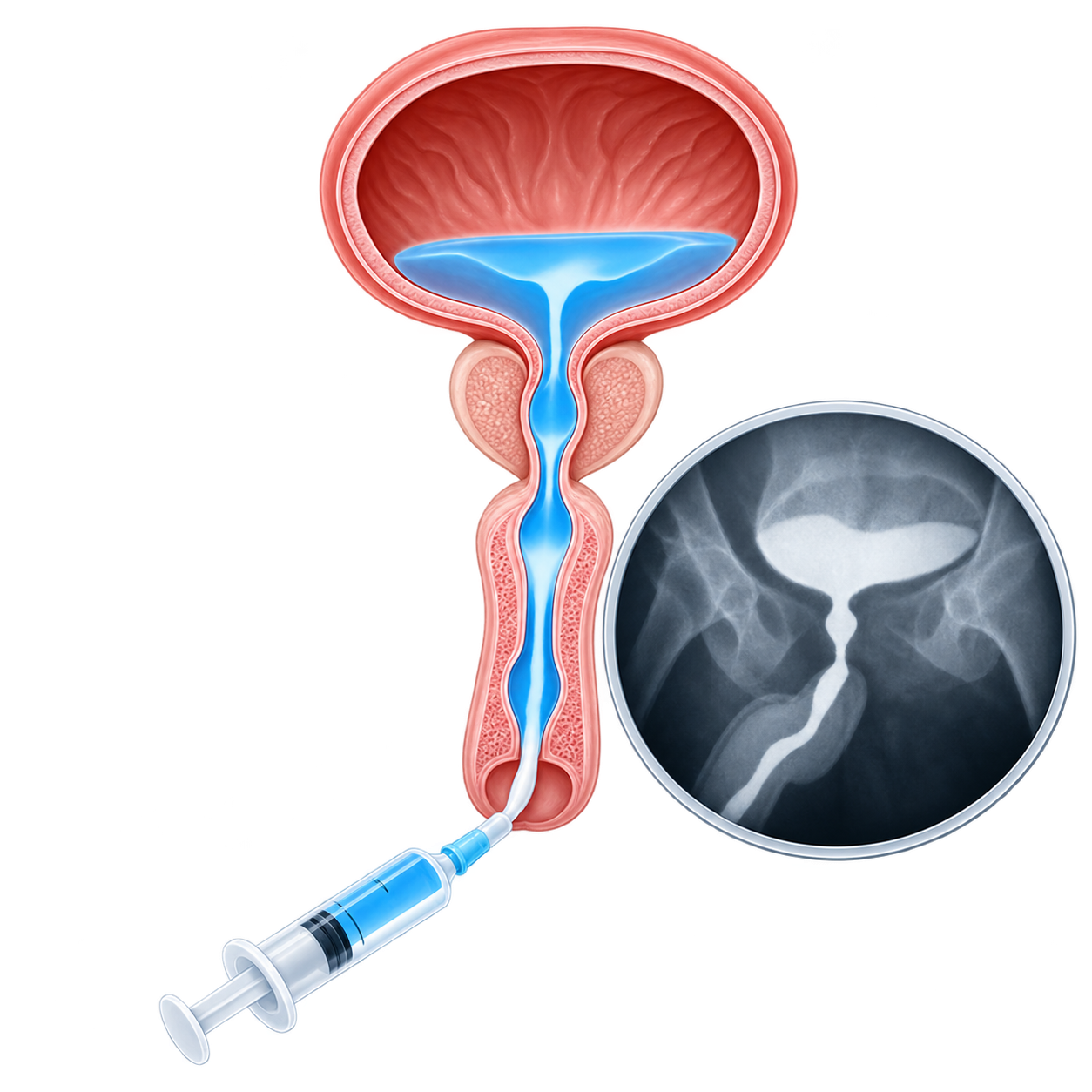
Retrograde urethrogram

Urodynamic
testing
Why Choose the Institute of Urology for Reconstructive Surgery?
The Institute of Urology provides reconstructive urology treatment for complex conditions involving the kidney, ureter, bladder and urethra.
- Experience in complex urinary reconstruction
- Treatment for male and female patients
- Management of urethral strictures
- Kidney, ureter, bladder and urethral reconstruction
- Urinary fistula repair
Schedule a Reconstructive
Urology Consultation in Jaipur
Frequently Asked Questions
Reconstructive urology surgery repairs or rebuilds damaged, narrowed or abnormally developed parts of the urinary system. It may involve the kidney, ureter, bladder, urethra or pelvic-floor structures.
Patients with urethral strictures, urinary fistulas, urinary incontinence, pelvic organ prolapse, congenital abnormalities, cancer-related defects, trauma or neurological bladder problems may require reconstructive treatment.
A urethral stricture is narrowing caused by scar tissue within or around the urethra. It may cause a weak urinary stream, straining, incomplete bladder emptying, infections or urinary retention.
Urethroplasty is an operation used to repair a narrowed or damaged urethra. The surgeon may remove the scarred section, reconnect healthy tissue or use a graft to widen the urethra.
Yes. Some strictures can recur after dilation, internal urethrotomy or previous reconstruction. Further treatment depends on the stricture’s location, length, severity and earlier procedures.
Yes. Surgery may be considered for selected male and female patients when conservative treatment does not provide sufficient improvement. The procedure depends on the type and cause of leakage.
Urinary fistula repair closes an abnormal connection between the urinary tract and another organ or the skin. The operation aims to restore the normal urinary pathway and stop unintended leakage.
No. Mild prolapse may be managed through observation, pelvic-floor exercises or a pessary. Surgery may be considered when symptoms significantly affect urinary function or quality of life.
Reconstruction may be possible after selected cancer surgeries. The approach depends on the organ involved, the amount of tissue removed, previous radiation and the patient’s overall condition.
Patients should bring previous operation notes, discharge summaries, imaging scans, urine reports, biopsy results and details of catheters, stents or earlier reconstructive procedures.