
Variety of urological procedures can be done through laparoscopy. Institute of urology at Jaipur, has a strong department of laparoscopy urology headed by Dr. M. Roychowdhury & since last 10 years, the institute has become pioneer & routinely performing variety of urological procedures laparoscopically; laparoscopic procedures that are commonly performed at the institute are nephrectomy, radical nephrectomy, nephroureterectomy, partial nephrectomy, adrenalectomy (tumor of adrenal glands). Reconstructive surgeries in kidneys like pyeloplasty, pelvic lymphnode dissection, radical prostatectomy & VVF (vesicovaginal fistula) repair also being performed at our hospital.
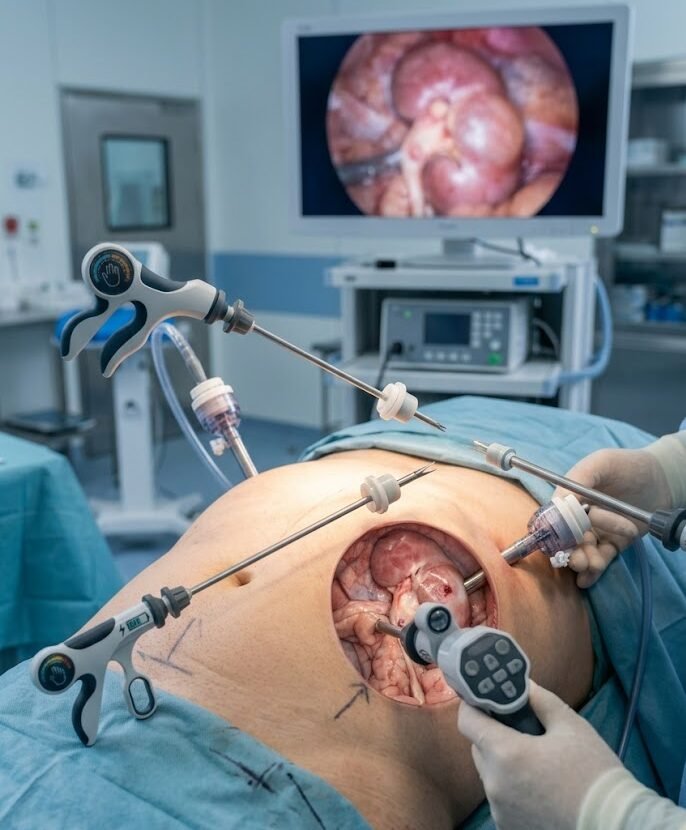
Advantages of laparoscopic surgery

Reduced Hospital Stay

Small
Scars

Early
Recovery
Potential complications unique to laparoscopic surgery
- Injury to other abdominal organs / or blood vessels which may require open conversion.
- Metabolic acidosis leading to rhythm abnormalities of heart (arrhythmias).
- Rare complications like gas embolism, acute hydrocele, pneumothorax, barotraumas etc.
Patients preparation for laparoscopic surgery
Adequate patient preparation is mandatory to the safe conduct of laparoscopic surgery. With adequate & optimum preperation morbidity & mortality can be minimized & patients outcome optimized.
Once it is decided to perform laparoscopic surgery, at our institute we have a detailed discussion of informed consents with patients & his close relatives & we explain the pros & cons of the surgery.
Patients undergo routine preoperative tests, including lung and cardiac evaluation, with fitness clearance from the physician, cardiologist, and anesthesiologist. Patients with co-morbidities such as diabetes or hypertension are admitted one day prior for bowel preparation, while others complete bowel preparation at home.
On the day of surgery, skin preparation, antibiotic prophylaxis, and IV fluids are given. The standard laparoscopic procedure takes 2–4 hours, followed by monitoring in the ICU or postoperative ward. Most patients are discharged within 2–3 days.
Contraindications of laparoscopic surgery where laparoscopic surgery is difficult / risky or impossible.
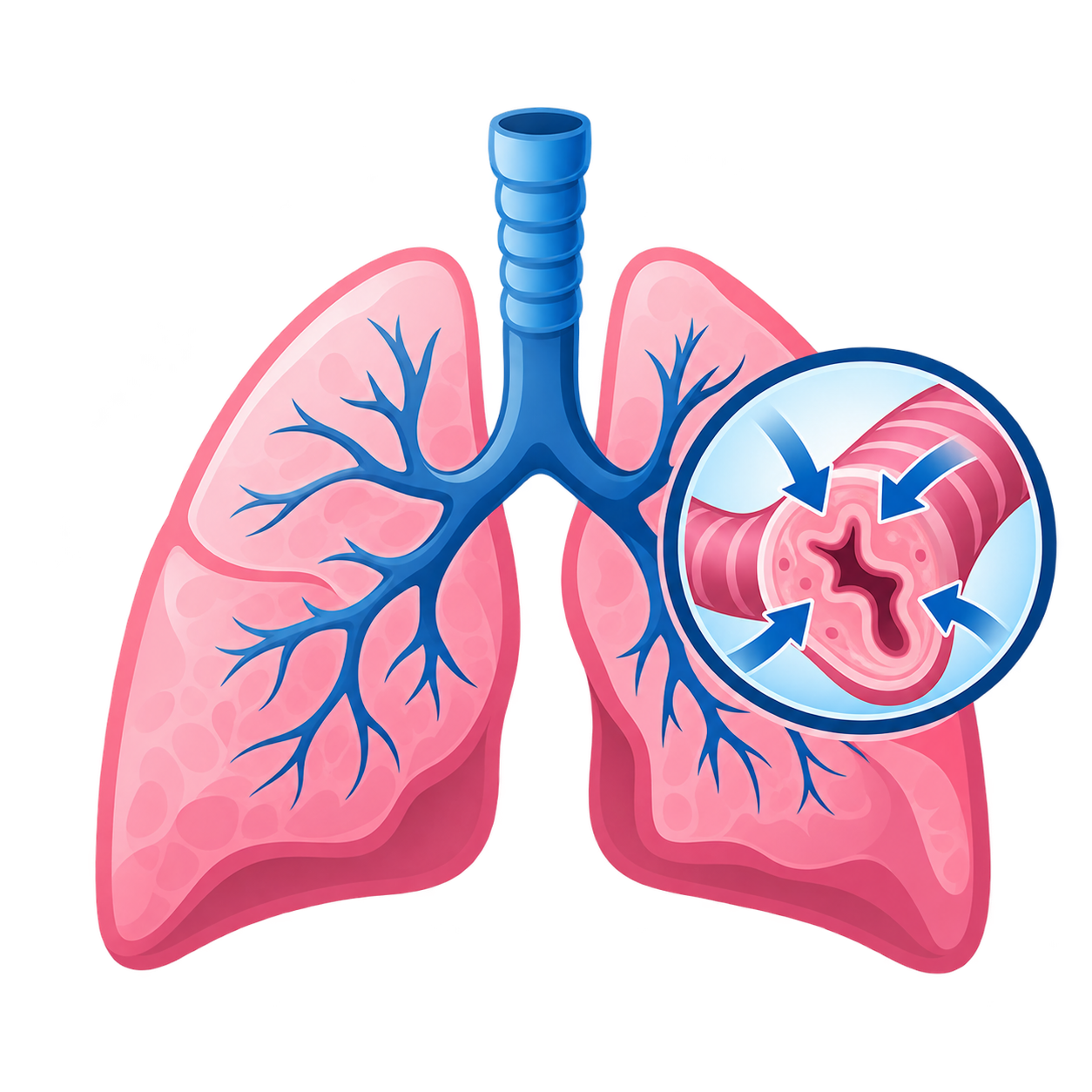
Sever lung disease or COPD

Untreated bleeding diathesis
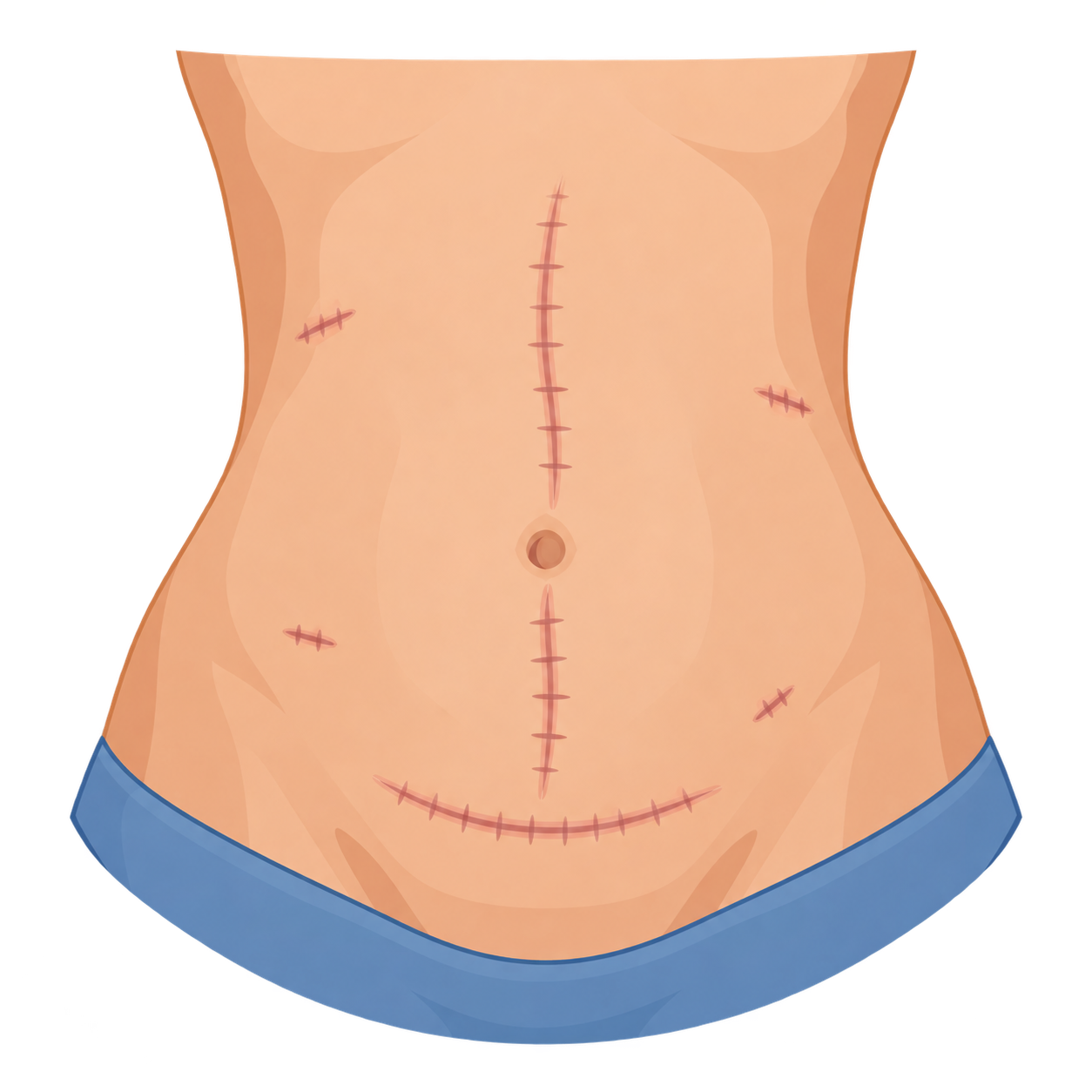
Extensive previous abdominal surgeries
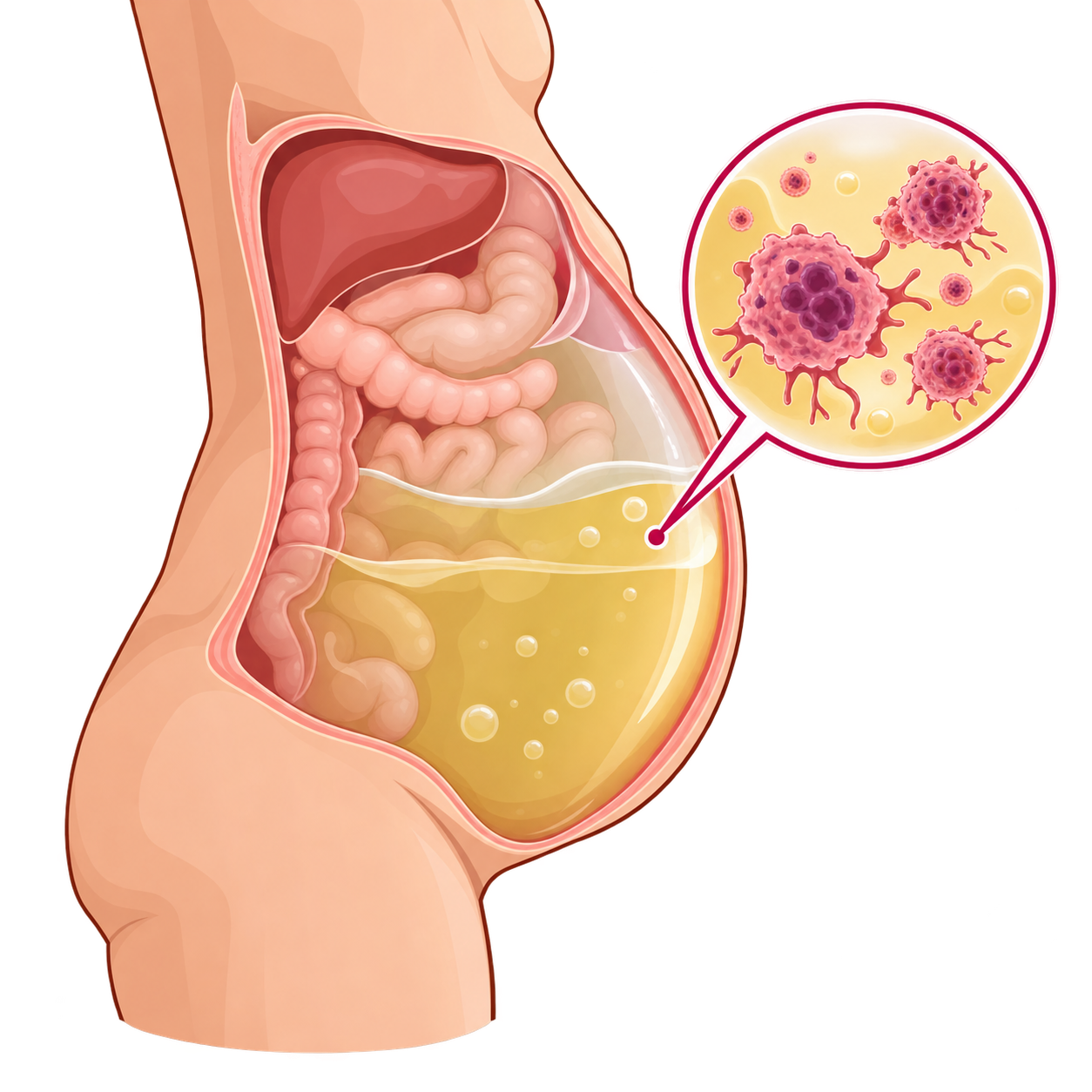
Cancerous fluid collection in the abdomen
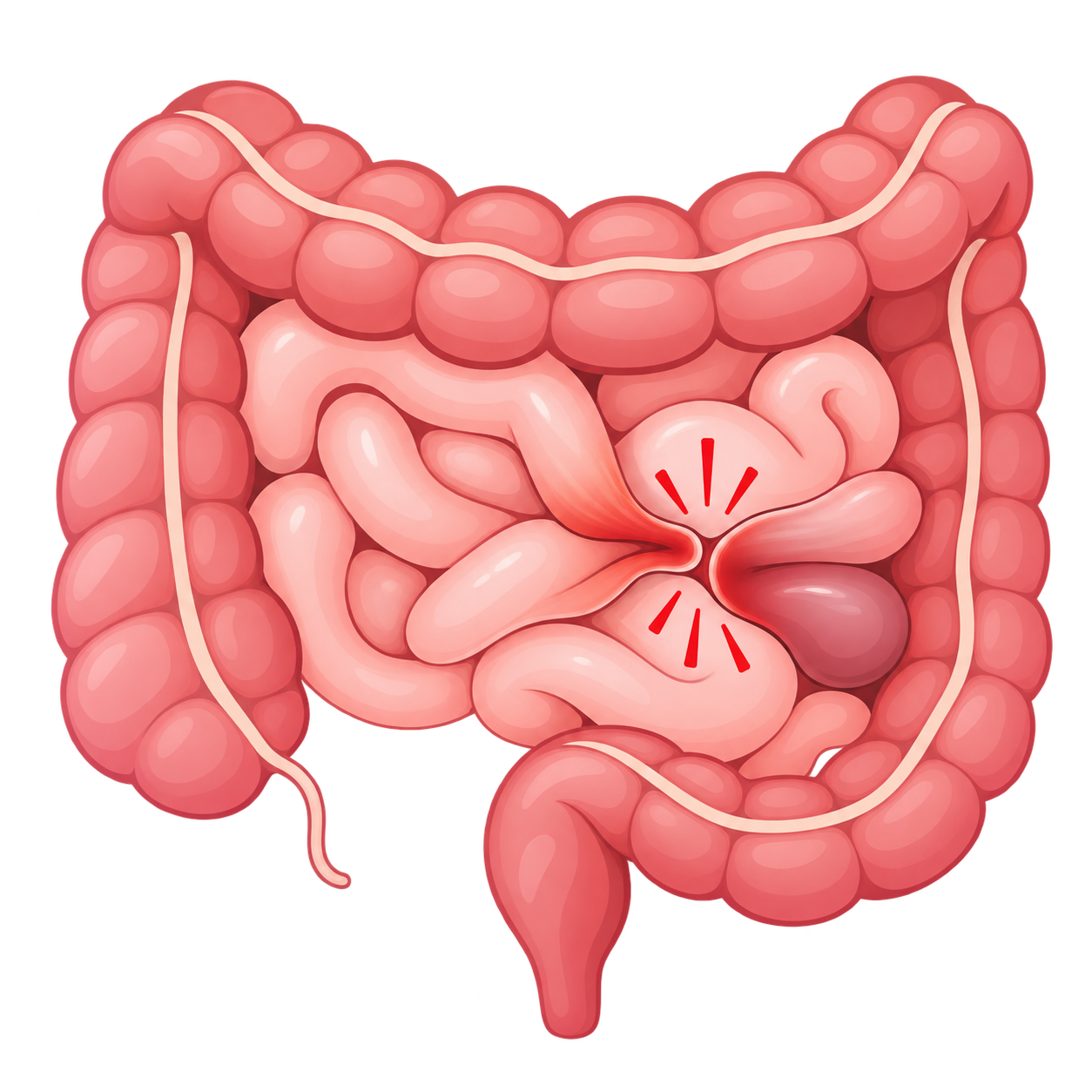
Patients who have intestinal obstruction

Morbid
obesity

Pregnancy etc
Patients undergo routine preoperative tests, including lung and cardiac evaluation, with fitness clearance from the physician, cardiologist, and anesthesiologist. Patients with co-morbidities such as diabetes or hypertension are admitted one day prior for bowel preparation, while others complete bowel preparation at home.
On the day of surgery, skin preparation, antibiotic prophylaxis, and IV fluids are given. The standard laparoscopic procedure takes 2–4 hours, followed by monitoring in the ICU or postoperative ward. Most patients are discharged within 2–3 days.
Brief Description Of Laparoscopic Procedures That Are Done At Our Hospital
Laparoscopic nephrectomy, radical nephrectomy, nephroureterectomy, partial nephrectomy, laparoscopic pyeloplasty, laparoscopic adrenalectomy, laparoscopic orchidopexy, laparoscopic pelvic lymphnode dissection, laparoscopic ureteric reimplantation, laparoscopic radical prostatectomy, laparoscopic repair of VVF General surgical laparoscopic procedures like removal of gall bladder (laparoscopic cholecystectomy), appendix (laparoscopic appendicectomy) & hernia repair also performed at our hospital routinely.
LAPAROSCOPIC NEPHRECTOMY / RADICAL NEPHRECTOMY / PARTIAL NEPHRECTOMY
Traditional open surgery to remove kidney involves long incision in either flank often requiring to cut the lowermost rib to gain access inside; this causes significant pain / trauma postoperatively. But same procedure when performed through laparoscopy involves significantly less pain & early recovery & discharge for the hospital. At the same time results are equivalent to that of open surgery. Telescope with camera & other small instruments are inserted into the abdomen though 3 – 4 key hole incision which allow the surgeon to completely free & dissect the kidney. The kidney is then placed in a bag & removed though small incision either in lower abdomen or through an extension of one of the existing hole.
Partial nephrectomy is excellent choice for small cancerous kidney tumor <4.0 cm in diameter usually located in either poles or located in outer aspect of kidney (peripherally located). Here tumor with small amount of normal kidney tissue around the tumor is removed thereby preserving the rest of the kidney.
LAPAROSCOPIC PYELOPLASTY
It’s a laparoscopic reconstructive surgery of kidney. This operation is used to correct a blockage or narrowing of the ureter where it leaves the kidney. This abnormality is called ureteropelvic junction (UPJ) obstruction which results in poor and sluggish drainage of urine from the kidney. UPJ obstruction can potentially cause abdominal and flank pain, stone, infection, high blood pressure and deterioration of kidney function. When compared to the conventional open surgical technique, laparoscopic pyeloplasty has resulted in significantly less postoperative pain, a shorter hospital stay, earlier return to work and daily activities, a more favorable cosmetic result and outcomes identical to that of the open procedure.
LAPAROSCOPIC ADRENALECTOMY
Adrenal glands are situated on top of the kidney on either side. Very essential gland for human body as they regulate body’s metabolism, immune function, saltwater balance & body’s response to stress etc.
Usually adrenal glands are removed where there is tumor either benign or malignant. A special tumor called pheochromocytoma which causes uncontrolled hypertension also affect adrenal gland.
Because they are small glands & situated deep inside the abdomen, their removal through open surgery require large incision & consequently more morbidity. But minimally invasive laparoscopic technique has become the procedure of choice for adrenal tumor because of decreased blood loss, lower morbidity, shorter hospitalization, faster recovery.
PROSTATE CANCER: RADICAL PROSTATECTOMY
Laparoscopic Radical (total) prostatectomy (RP) is excision of the entire prostate including the prostatic urethra and seminal vesicles and all sourrounding fat. Following excision of the prostate, bladder neck is sutured to the urethra. Radical prostatectomy is indicated for the treatment of patients with localized prostate cancer whose life expectancy exceeds 10 years. Patients with Gleason score 2 – 4 disease appear to do as well in the long term with surveillance as with treatment. The 2008 UK NICE guidelines recommend radical prostatectomy for high risk disease (PSA >20 or Gleason score >8 or cT3) only if there is a ‘realistic prospect of long term disease control’, and for low risk disease (PSA <10 or Gleason score <6 or cT1 – 2) if active surveillance is offered and declined. The surgeon should take part in multidisciplinary team discussion of each case. The patient should consider all available treatment options and the complications of radical prostatectomy before proceeding.
Radical prostatectomy also nowadays performed through robotic surgery. There is no statistically significant benefit of robotic radical prostatectomy over laparoscopic radical prostatectomy. Cost of robotic surgery also too high. Significant drawback of laparoscopic / robotic radical prostatectomy is incidence of +ve surgical margins following surgery. This is because both the techniques lack tactile sensation thereby chance of cutting through the cancerous tissue is high. So local / PSA recurrence following these techniques are high (15% – 20%). Chance of +ve surgical margins post surgery is significantly less in open radical prostatectomy. Chance of incontinence also much less with open technique. Many still considers open radical prostatectomy as gold standard surgical treatment for localized & early stage prostate cancer.