VVF Surgery in Jaipur – Best VVF Surgeon in Jaipur
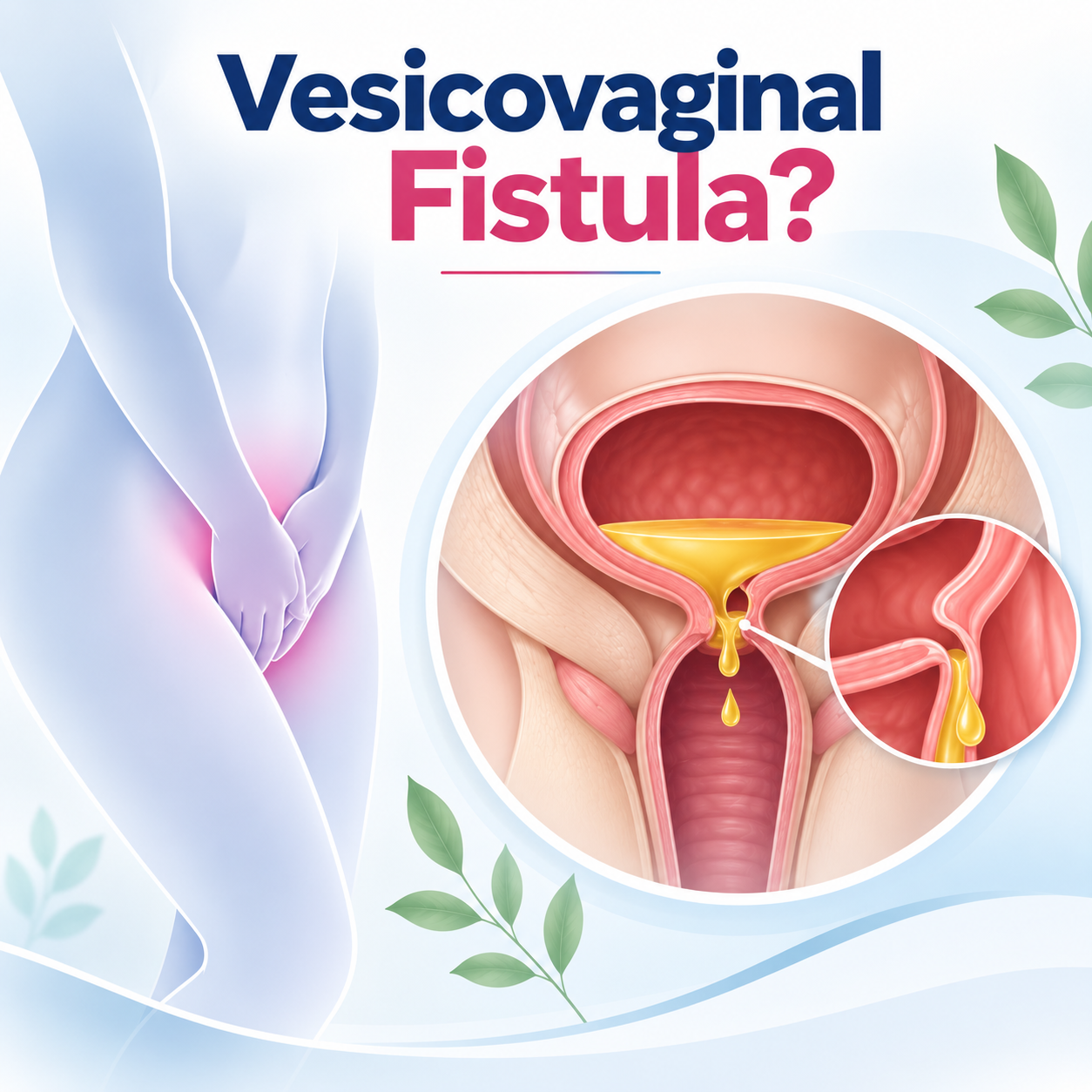
Continuous urine leakage through the vagina may be caused by a vesicovaginal fistula (VVF)—an abnormal opening between the bladder and vagina. The Institute of Urology provides diagnosis and VVF Surgery in Jaipur using vaginal, abdominal and minimally invasive approaches, including laparoscopic repair.
Treatment is planned according to the fistula’s size, location, complexity, tissue condition and previous surgeries, with the aim of closing the fistula and restoring normal urinary function.
What Is a Vesicovaginal Fistula?
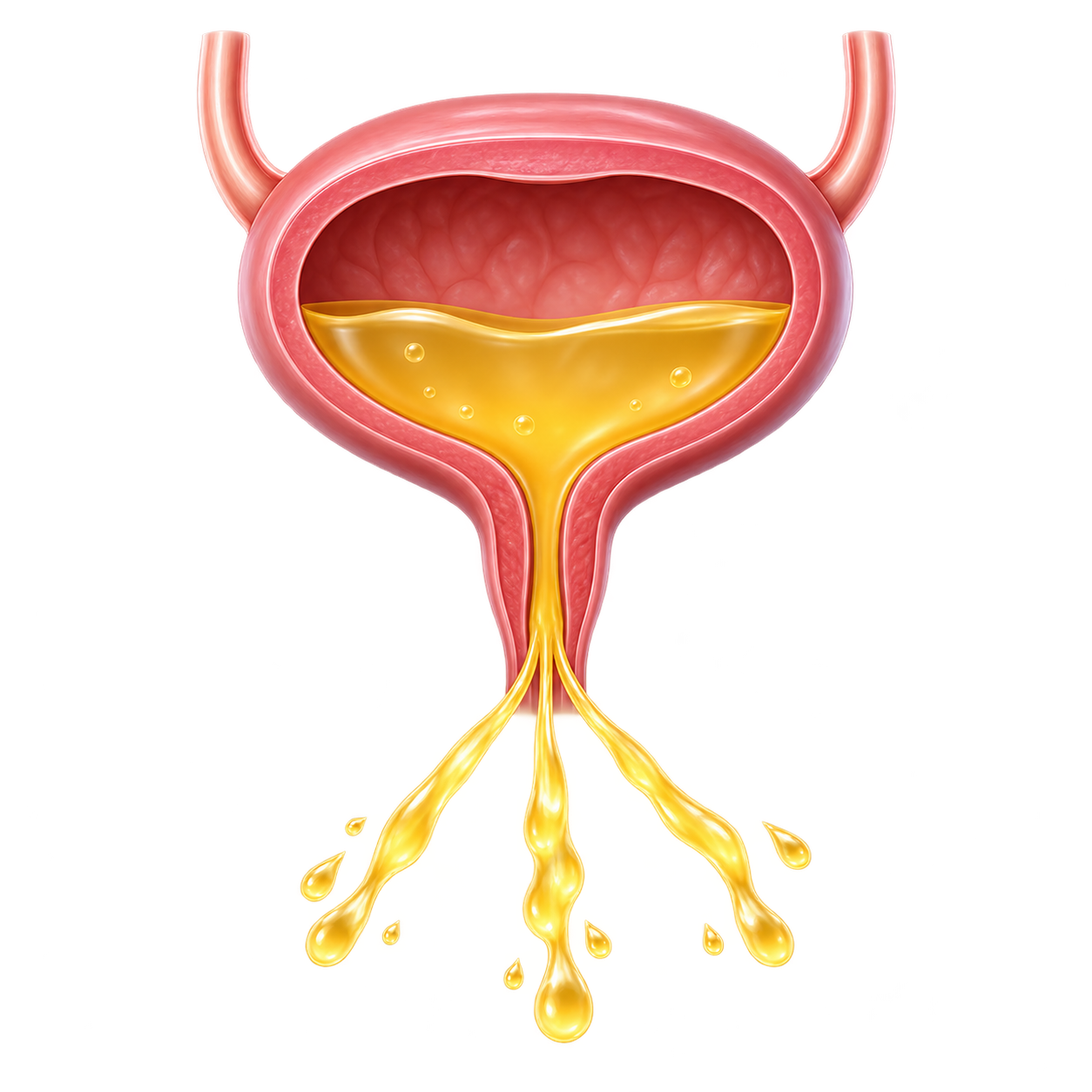
A vesicovaginal fistula is an abnormal connection between the urinary bladder and the vagina. Because of this opening, urine stored in the bladder can pass directly into the vagina instead of leaving only through the urethra.
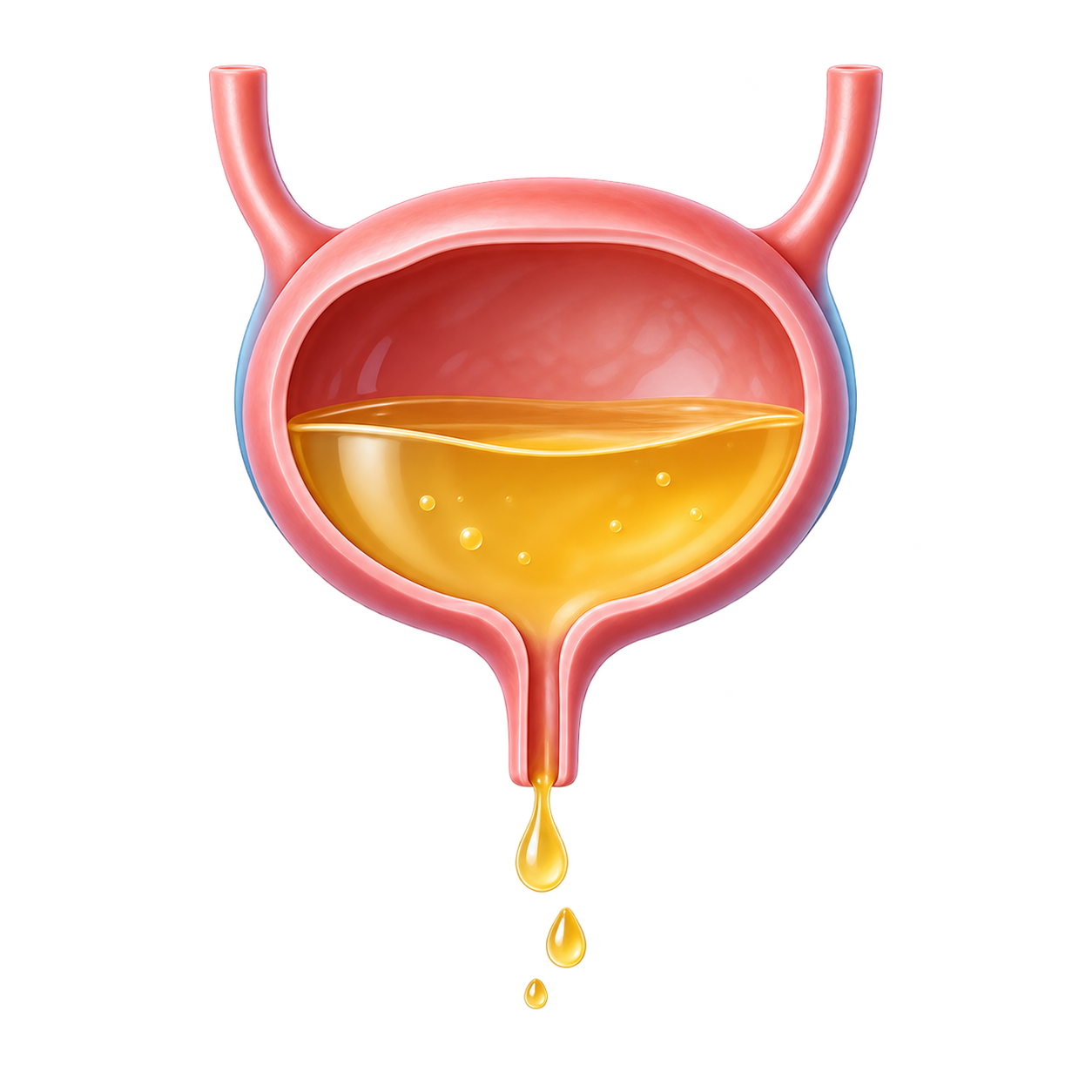
The amount of leakage can vary. Some women experience continuous wetness, while others notice intermittent leakage depending on the fistula’s size and location. A woman may still be able to urinate normally through the urethra while also experiencing uncontrolled vaginal leakage.
Symptoms of VVF
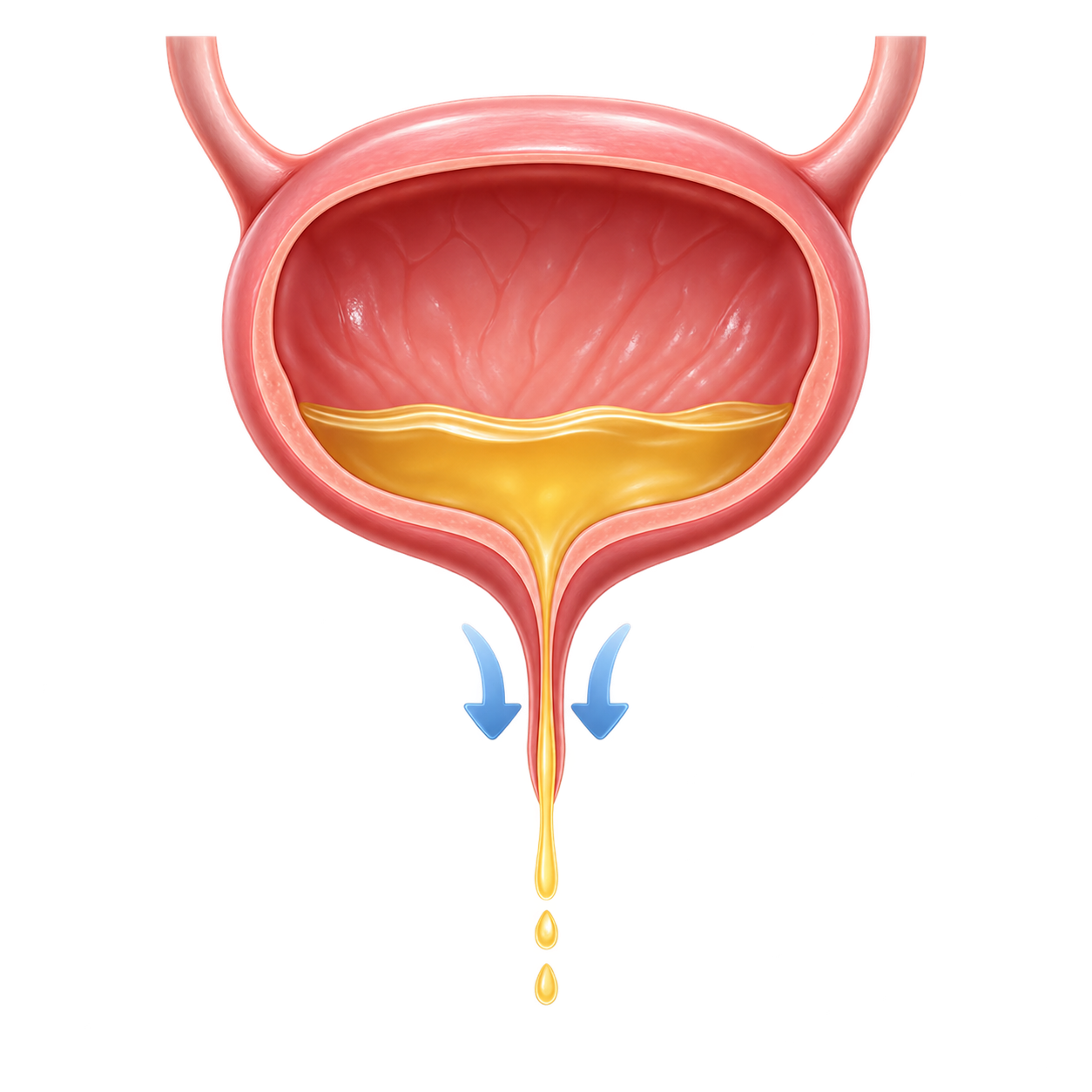
Continuous urine leakage through the vagina

Constant wetness of clothes or undergarments
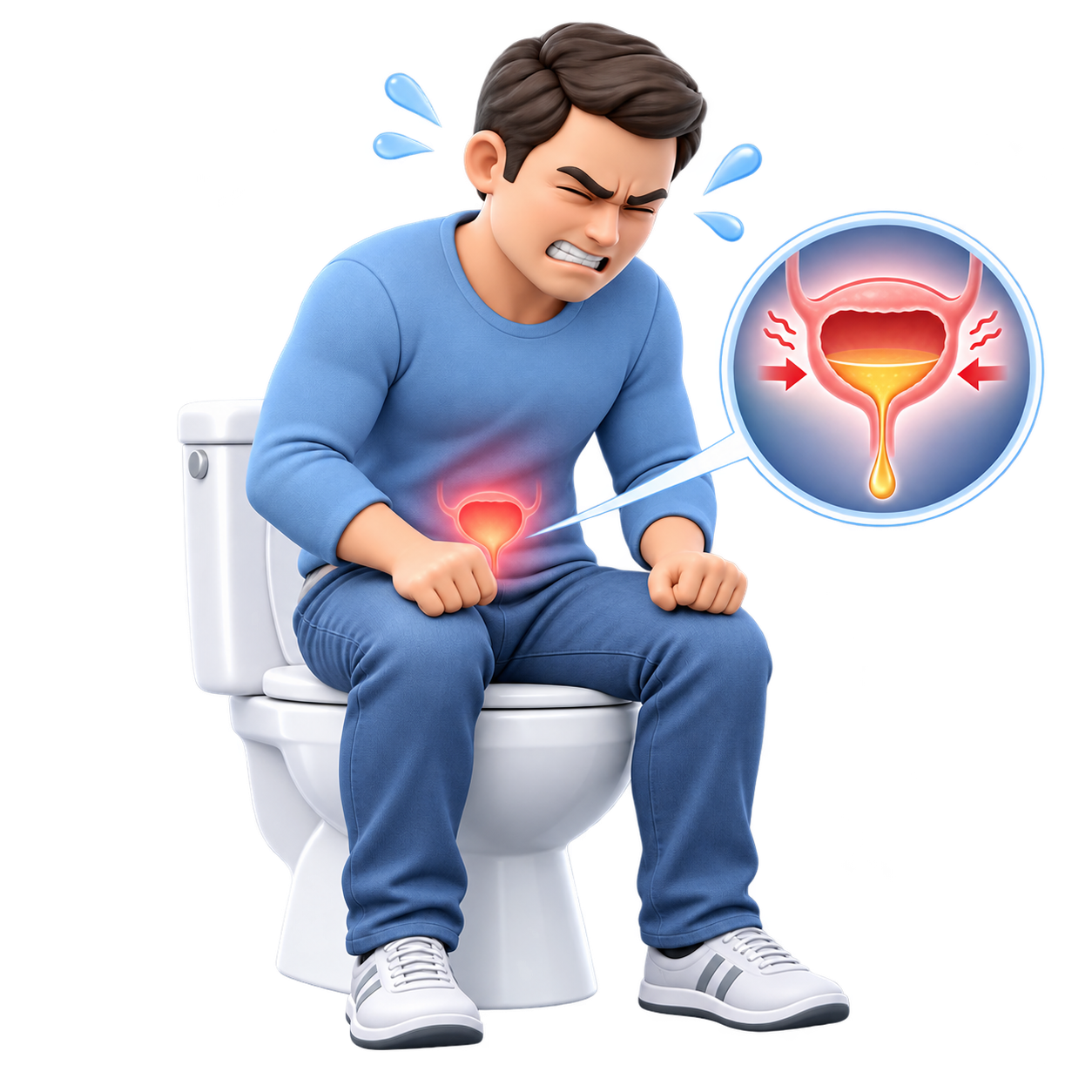
Leakage despite recently emptying the bladder
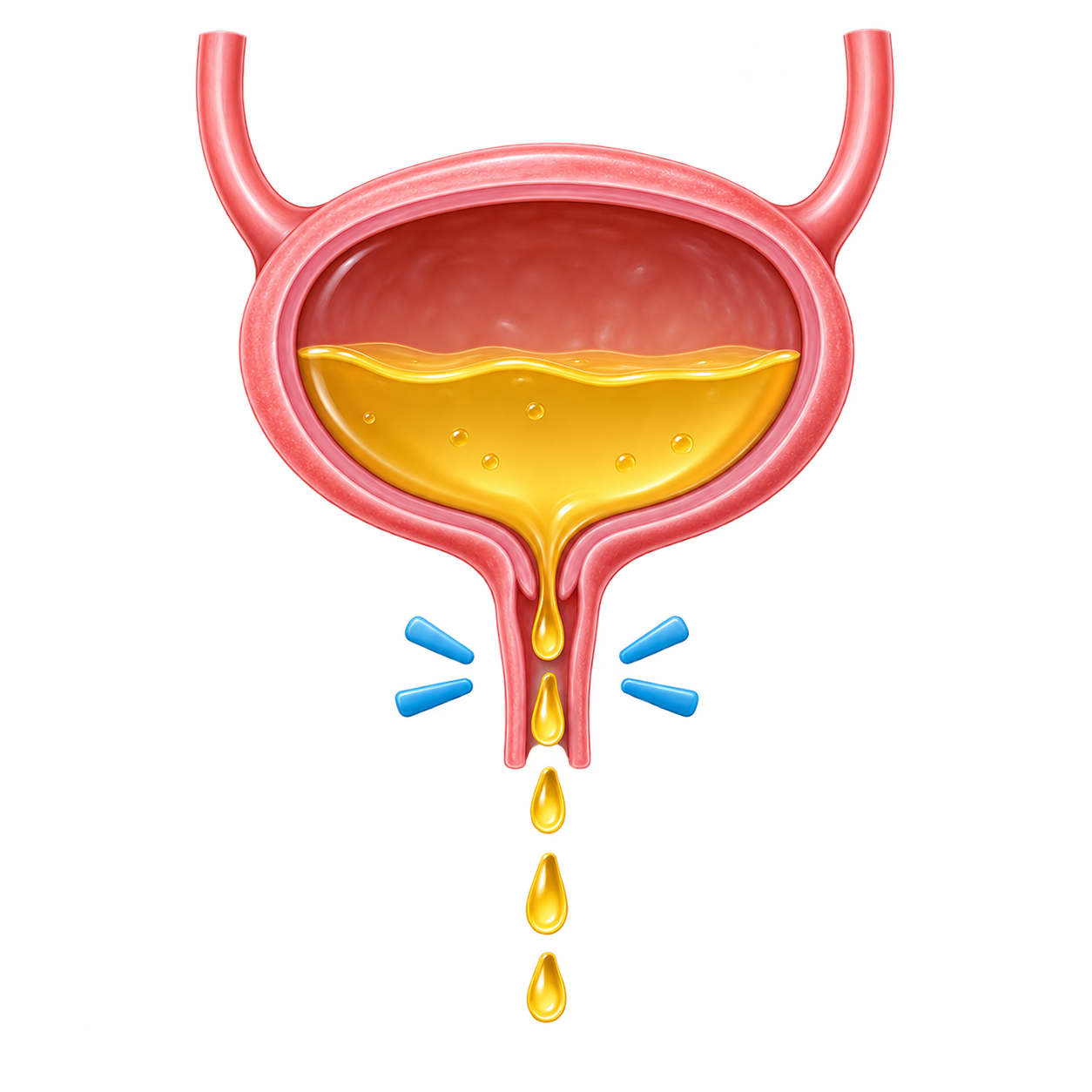
Clear or urine-like vaginal discharge
Foul-smelling vaginal discharge
Vaginal or vulval irritation

Recurrent urinary tract infections
Repeated vaginal infections
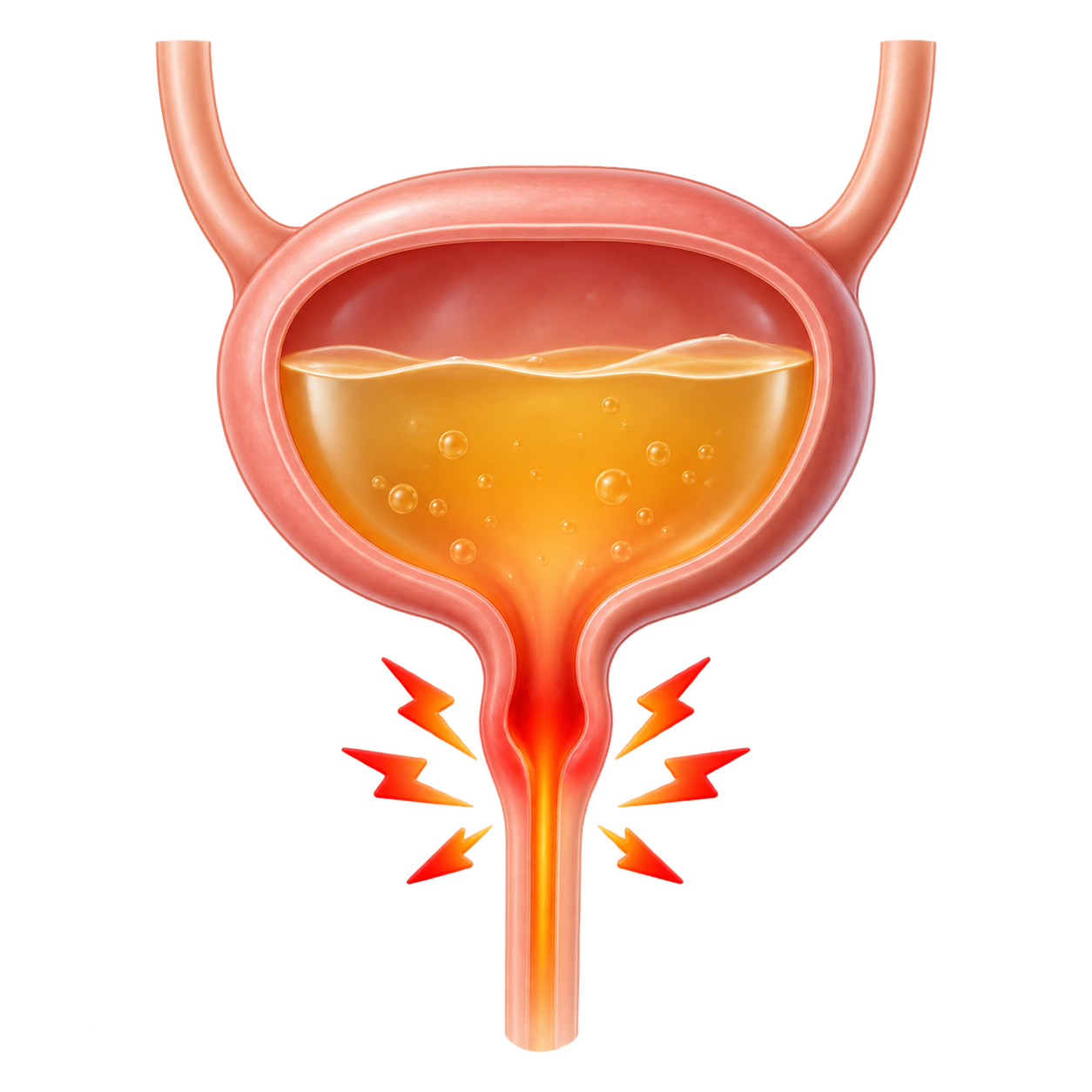
Pelvic
discomfort
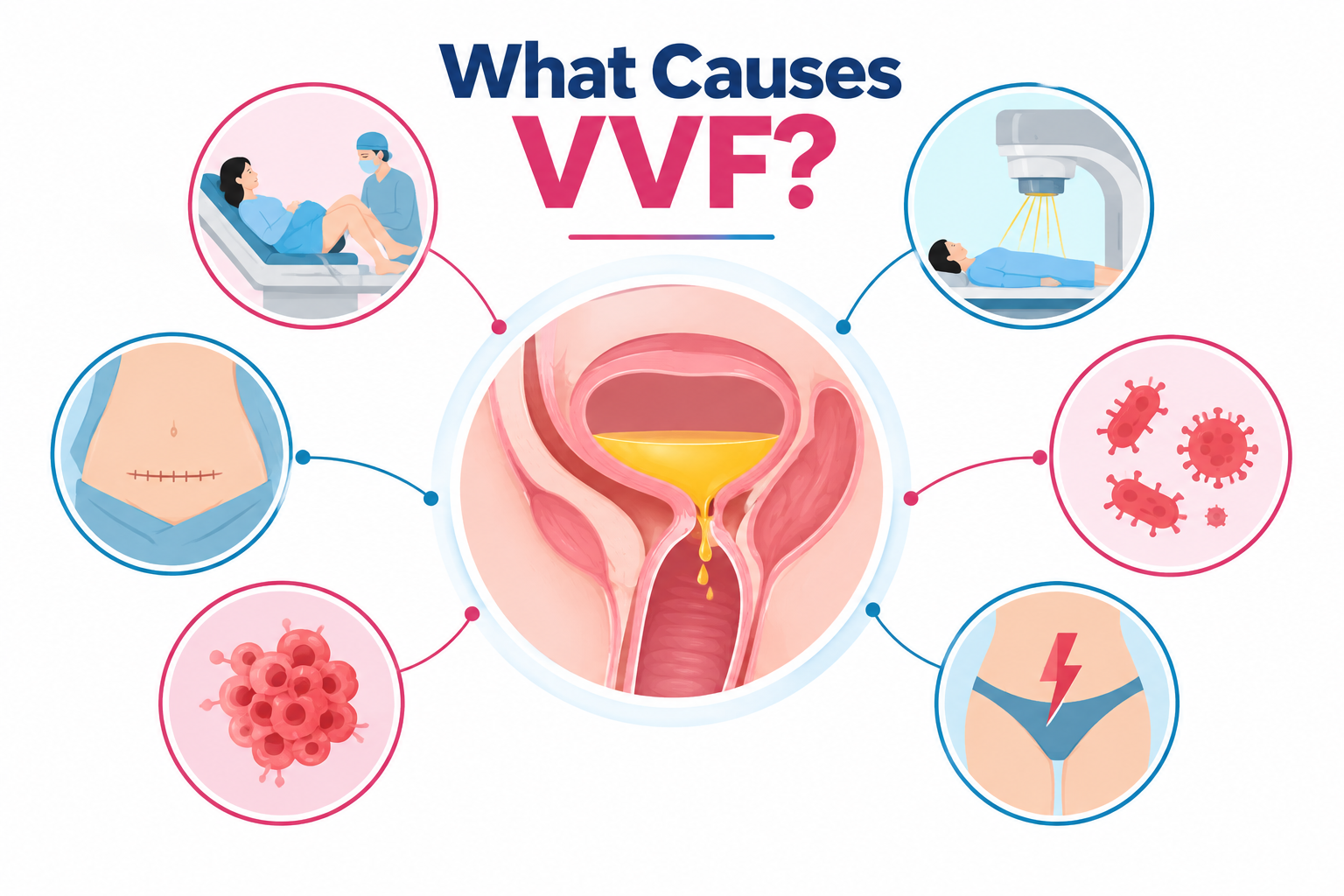
What Causes VVF?
- Abdominal hysterectomy
- Laparoscopic hysterectomy
- Radical hysterectomy
- Surgery for uterine or cervical cancer
- Bladder surgery
When Should You Consult a VVF Surgeon in Jaipur?
Consult a reconstructive urologist for continuous urine leakage through the vagina, particularly after childbirth, hysterectomy or pelvic surgery. Evaluation is also advised for persistent day-and-night leakage, recurrent urinary or vaginal infections, failed fistula repair, leakage despite catheter use, previous pelvic radiation, or urinary symptoms with fever or pelvic pain. Timely assessment can help identify the cause and guide appropriate treatment.
Why Choose the Institute of Urology?
The Institute of Urology provides diagnosis and reconstructive treatment for short, long, recurrent and complex urethral strictures.
- Experienced reconstructive urology care
- Complete urethral stricture evaluation
- Uroflowmetry, cystoscopy and urethrography
- Buccal mucosal graft urethroplasty
- Anastomotic urethroplasty

Schedule a VVF Surgery Consultation in Jaipur
Frequently Asked Questions
Recurrence is possible, particularly in complex cases or patients with poor tissue quality, inflammatory disease, previous failed operations or radiation damage. Regular follow-up helps detect narrowing early.