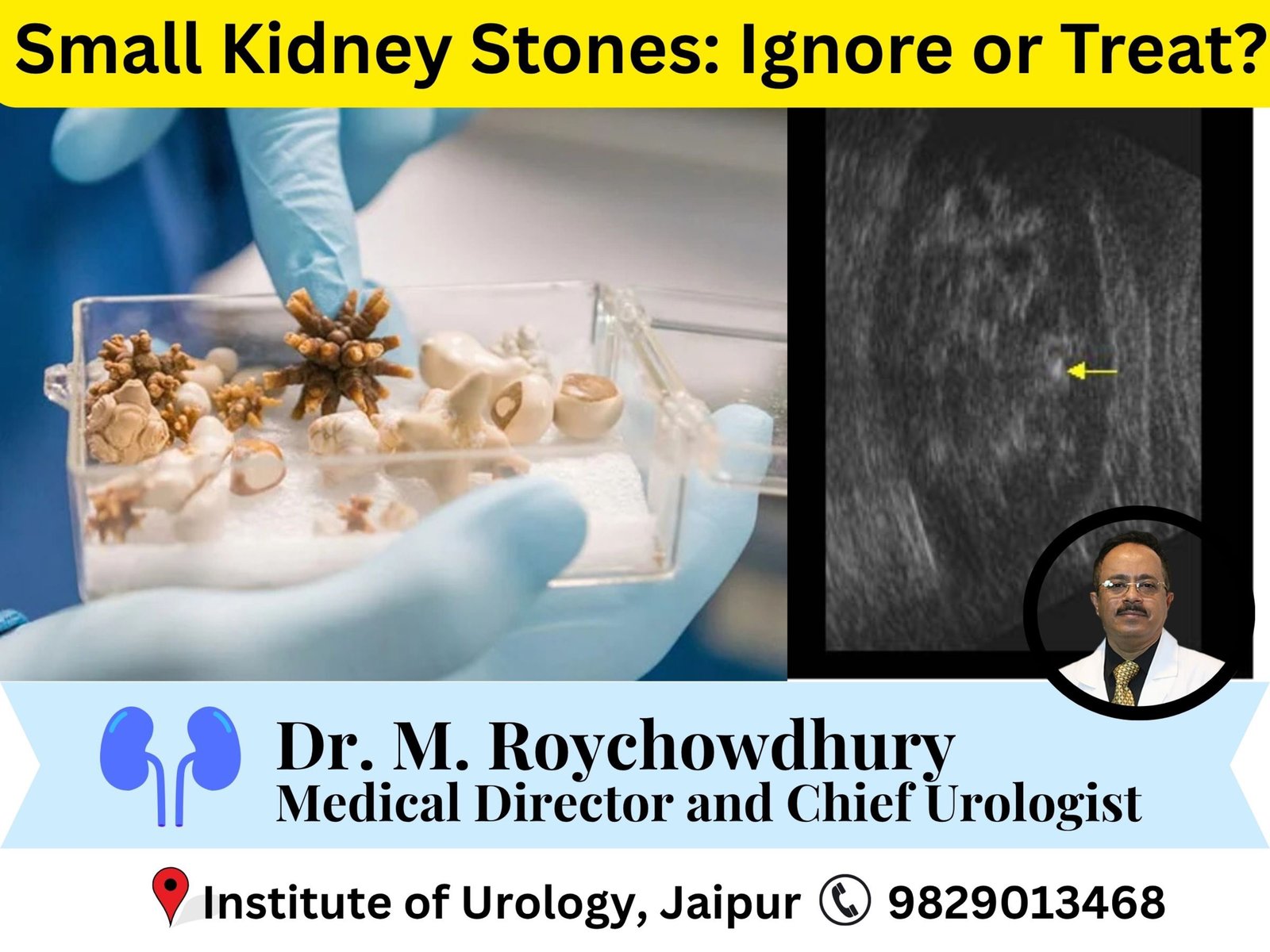
Kidney stones can form without any symptoms at first. They often cause problems when they start moving into the ureter. That’s when pain, blockage or infection might begin. Catching signs early can make a difference. It can help you get care before things get worse. At the Institute of Urology patients get evaluation. Doctors assess each case based on the stone size, where it’s what kind it is. This helps guide the treatment.
What Are Kidney Stones?
Kidney stones are hard deposits formed from minerals and salts in urine. Small stones may pass naturally, while larger stones can lodge in the urinary tract and require treatment.
Early Warning Signs You Should Watch
- Sudden Back or Side Pain
Sharp pain below the ribs, often on one side, is a common warning sign and may intensify as the stone moves.
- Pain Moving Toward the Groin
Kidney stone pain can shift toward the lower abdomen or groin. It often comes in waves repeatedly.
- Burning or Painful Urination
A burning sensation while urinating may develop when a stone reaches the lower urinary tract. Similar symptoms can occur with infection.
- Blood in the Urine
Pink, red, or brown urine may indicate bleeding in the urinary tract. Visible blood should always be medically evaluated.
- Frequent Urge to Urinate
Needing to urinate more often, passing only small amounts, or feeling persistent urgency can occur when a stone approaches the bladder.
- Cloudy or Foul-Smelling Urine
Cloudy urine or an unusual odor may occur with urinary infection and should be assessed.
- Nausea and Vomiting
Severe stone pain may cause nausea or vomiting. Repeated vomiting can also make hydration difficult.
- Fever and Chills
Fever or chills with kidney stone symptoms may suggest infection. If urine flow is blocked, this can become urgent and requires prompt medical attention.
When Should You Seek Urgent Care?
Seek prompt medical attention for:
- Severe pain that prevents comfortable sitting
- Fever or chills with urinary symptoms
- Persistent vomiting
- Visible blood in urine
- Difficulty or inability to urinate
- Rapidly worsening symptoms
How Are Kidney Stones Diagnosed?
A urologist may use urine tests, blood tests, ultrasound, or CT imaging to identify stone size, location, and obstruction.
Treatment Options for Kidney Stones
The treatment plan depends on the size of the stone the location of the stone the symptoms of the stone and the risk of infection from the stone. Small stones may pass on their own if the doctor gives guidance and prescribes medicine for the stone. Larger stones or stones that block the passage may need procedures such as ureteroscopy, shock wave lithotripsy or percutaneous stone removal.
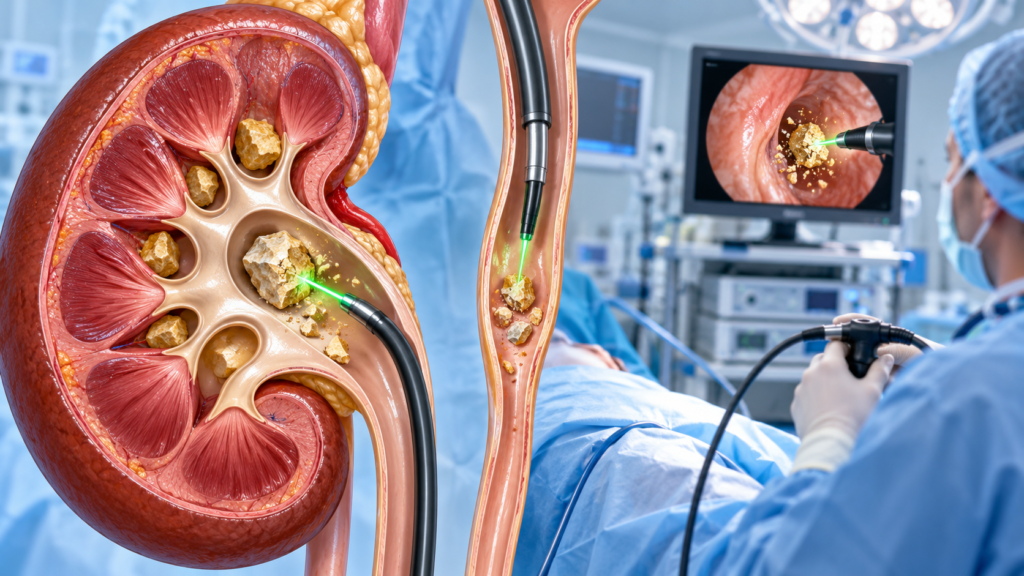
For patients who’re suitable Laser Stone Surgery in Jaipur may use ureteroscopy together with laser energy to break stones into smaller pieces so that the stones can be removed or pass naturally. A urologist decides whether a patient is suitable, after an examination and imaging studies.
Why Choose Institute of Urology?
Institute of Urology offers care for urinary stone disease. Patients looking for a Top Kidney Stone Specialist In Jaipur can visit the team, for diagnosis, treatment planning and advice on prevention.
Tips to Help Reduce Stone Risk
- Drink adequate water unless your doctor restricts fluids.
- Reduce excessive salt intake.
- Follow diet advice based on your stone type.
- Avoid unnecessary supplements.
- Maintain a healthy weight.
- Attend follow-ups if stones recur.
Expert Care at the Institute of Urology, Jaipur
Managing kidney stones requires accurate diagnosis, proper assessment of stone size and location, and selection of the most suitable treatment approach. Procedures such as URS, RIRS, PCNL, and Laser Stone Surgery In Jaipur require precision and specialised urological expertise, particularly in patients with larger stones, recurrent kidney stones, urinary obstruction, severe pain, or complicated stone disease.
At the Institute of Urology, Jaipur, patients have access to advanced diagnostic facilities, modern endoscopic and laser technology, and minimally invasive treatment options for kidney and urinary stones. The treatment approach is planned according to the size, number, and location of stones, along with symptoms, infection status, kidney function, and the patient’s overall health.
Under the expert guidance of Dr. M. Roychowdhury and Dr. Rajan Bansal, patients with routine as well as complex urological conditions receive personalised treatment plans designed according to their individual clinical requirements.
The institute provides comprehensive kidney stone care under one roof, including specialist consultation, diagnostic evaluation, medical management, minimally invasive stone removal procedures, laser treatment, and follow-up care. This integrated approach helps ensure continuity throughout diagnosis, treatment, recovery, and stone-prevention planning.
Patients looking for a Top Kidney Stone Specialist in Jaipur can consult the team at the Institute of Urology to understand whether conservative management, URS, RIRS, PCNL, laser stone treatment, or another appropriate procedure may be suitable for their condition.
Frequently Asked Questions
- Can kidney stones exist without symptoms?
Yes. Small stones may remain unnoticed until they move or obstruct urine flow.
- Where does kidney stone pain usually begin?
It commonly begins in the side or back below the ribs and may travel toward the groin.
- Is blood in urine always caused by stones?
No. Many urinary conditions can cause blood in urine, so evaluation is necessary.
- Can kidney stones cause fever?
Fever may indicate infection and requires urgent assessment, especially with urinary blockage.
- Do all kidney stones require surgery?
No. Some small stones pass naturally, while larger or complicated stones may need a procedure.
- How are kidney stones confirmed?
Imaging, urine testing, blood tests, and clinical examination are commonly used.
- Is laser treatment suitable for every stone?
No. Suitability depends on stone size, location, anatomy, infection, and other clinical factors.
- Can kidney stones return?
Yes. Recurrence can occur, so hydration, dietary changes, and follow-up may be recommended.
Conclusion
Early detection of kidney stone symptoms helps get the diagnosis and the right treatment. Don’t pay no attention to side pain pain when you urinate, blood in your urine, fever throwing up or trouble urinating. If you are having any of these kidney stone symptoms make an appointment by going to the Institute of Urology website for a doctor to look at your problem and give you advice that’s just, for you.